American Bulldog Breed Guide: Size, Temperament, Health and Cost
Quick answer
The American Bulldog is a muscular, loyal working breed from the American South. Adults stand 20 to 27 inches tall and weigh 60 to 100 pounds. They live 10 to 12 years. They suit active owners who train daily, set firm rules, and give a dog an hour of exercise.
Key takeaways
Size: 20 to 27 inches tall and 60 to 100 pounds.
Exercise: at least 60 minutes a day, plus mental work.
Lifespan: 10 to 12 years with good care.
Cost: breeder puppies commonly run $800 to $3,000, and lifetime costs often reach $20,000 or more.
Top health risks: hip and elbow dysplasia, skin disease, and bloat.
Picking a dog this strong is a big decision. This guide gives you real numbers on size, health, and cost. It also tells you who should skip the breed. Read it before you contact a breeder.
Every Type of American Bulldog
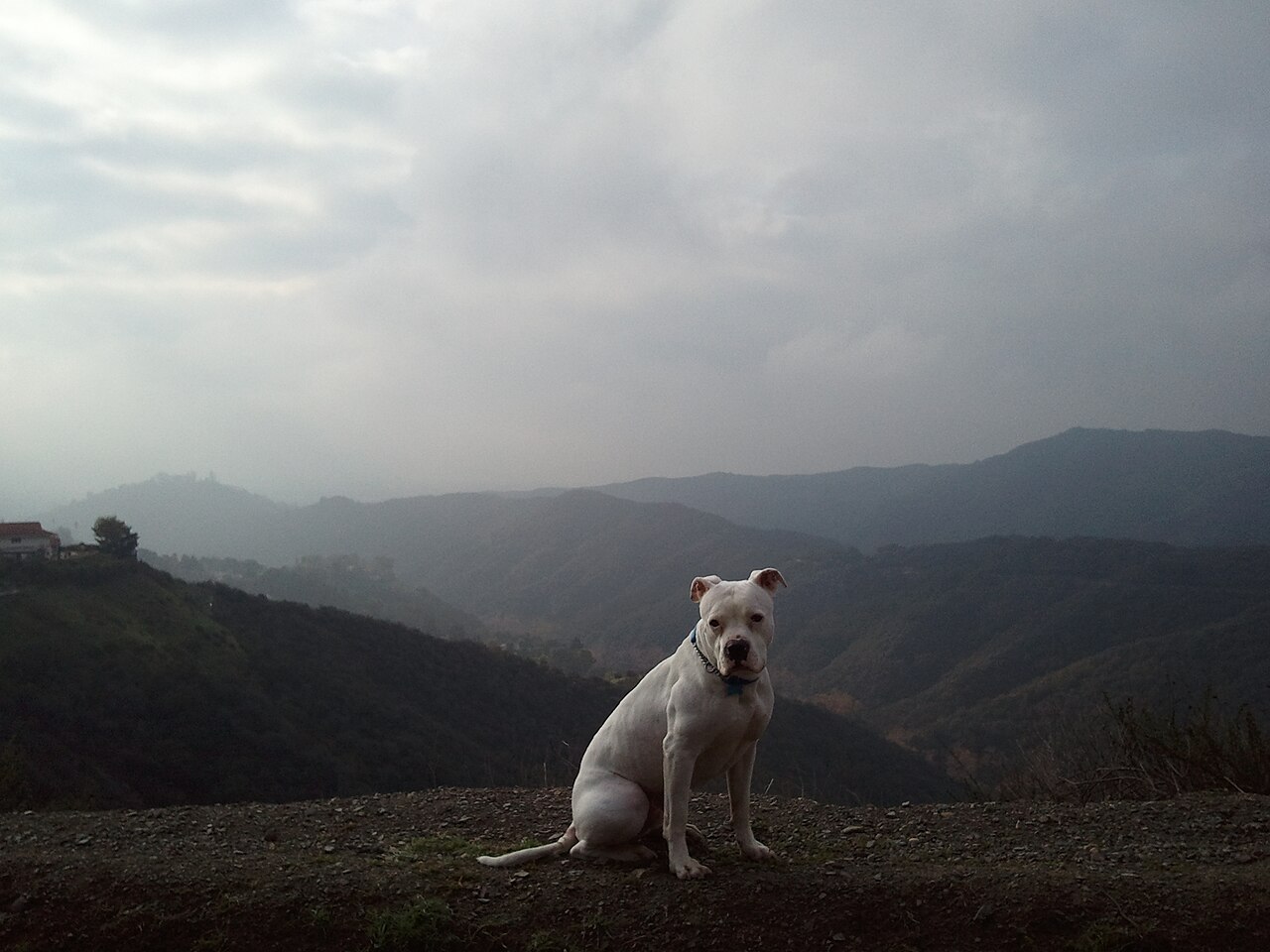
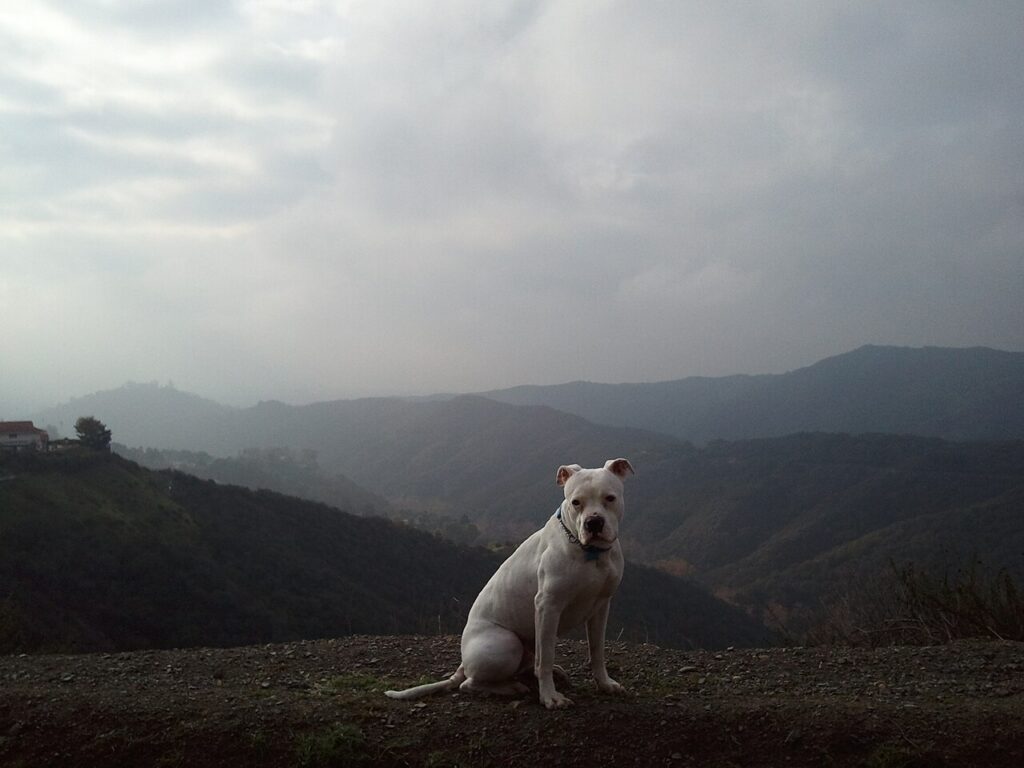 The American Bulldog — a muscular, loyal working breed
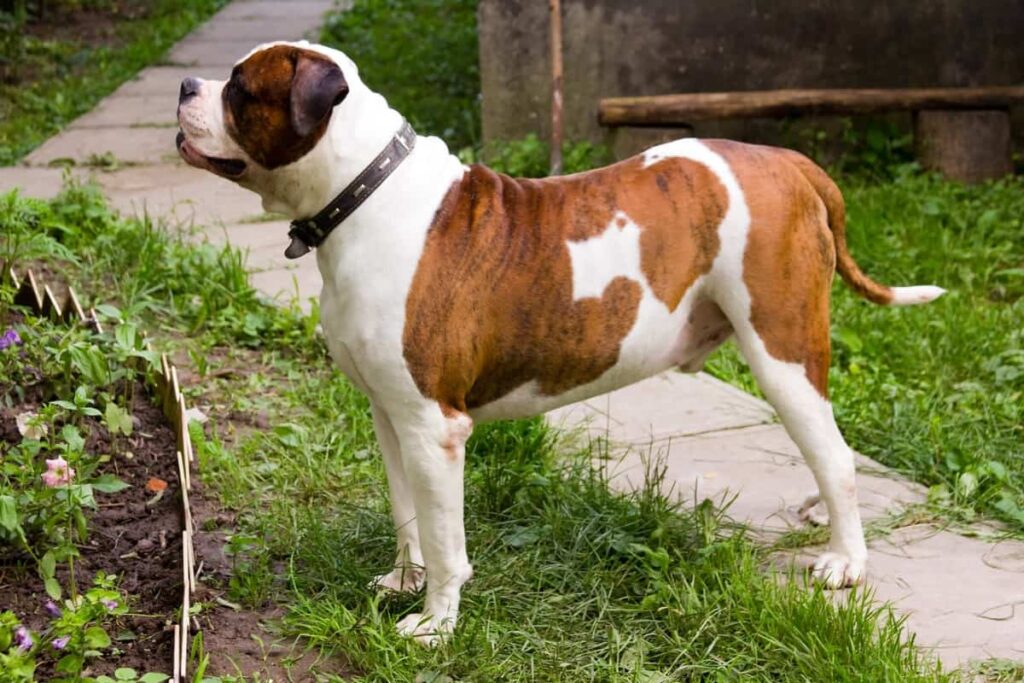 Johnson type — bulkier, heavier bone, broader head
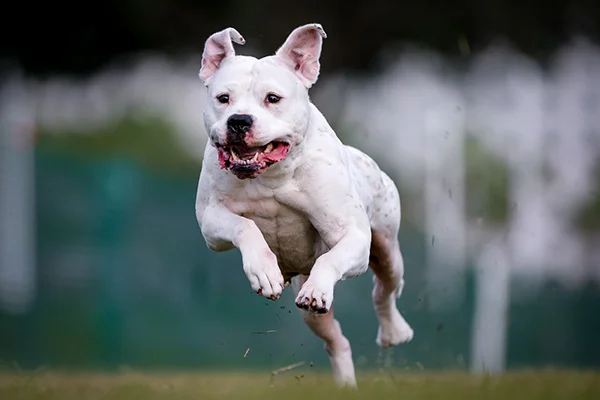 Scott type — leaner, more athletic, built to run
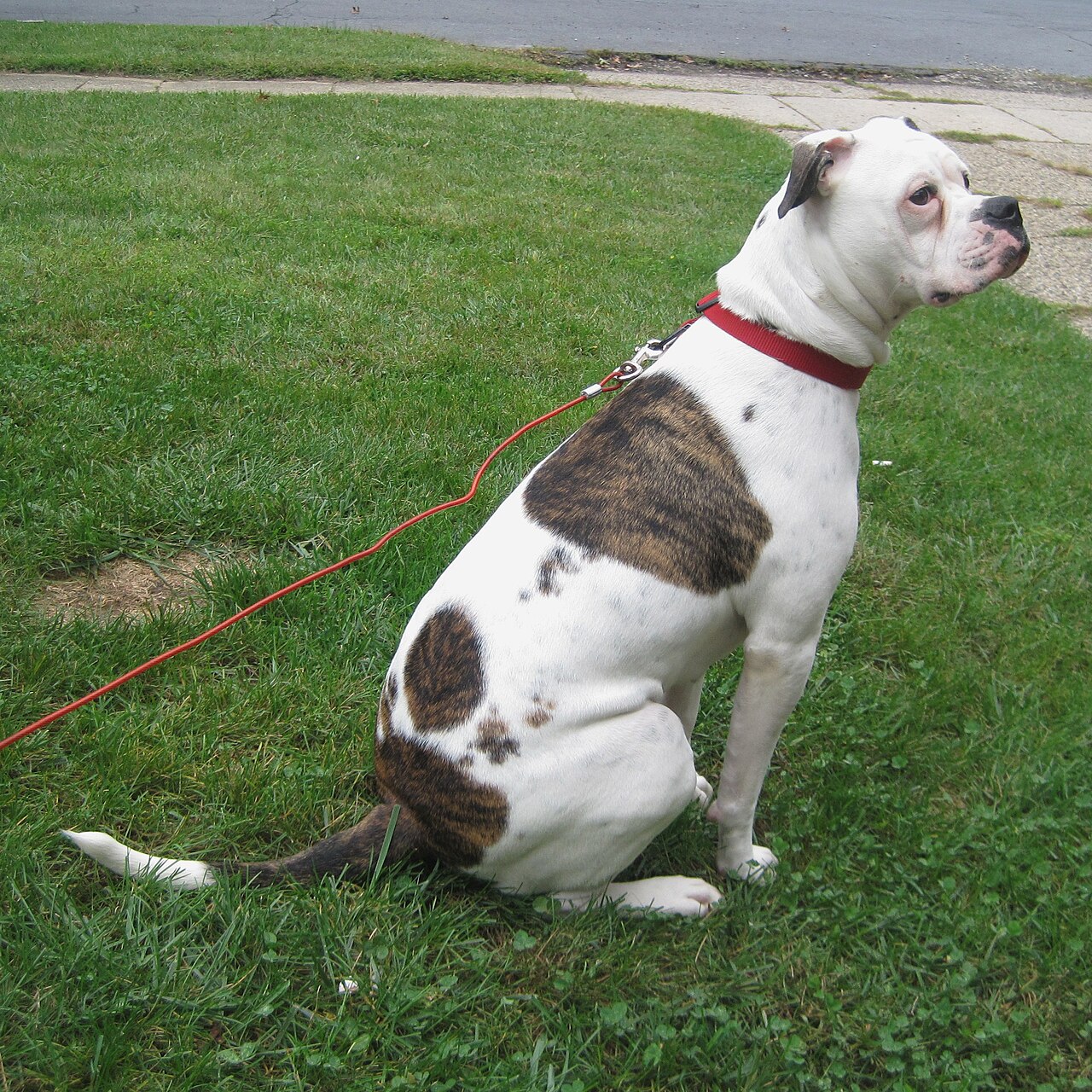
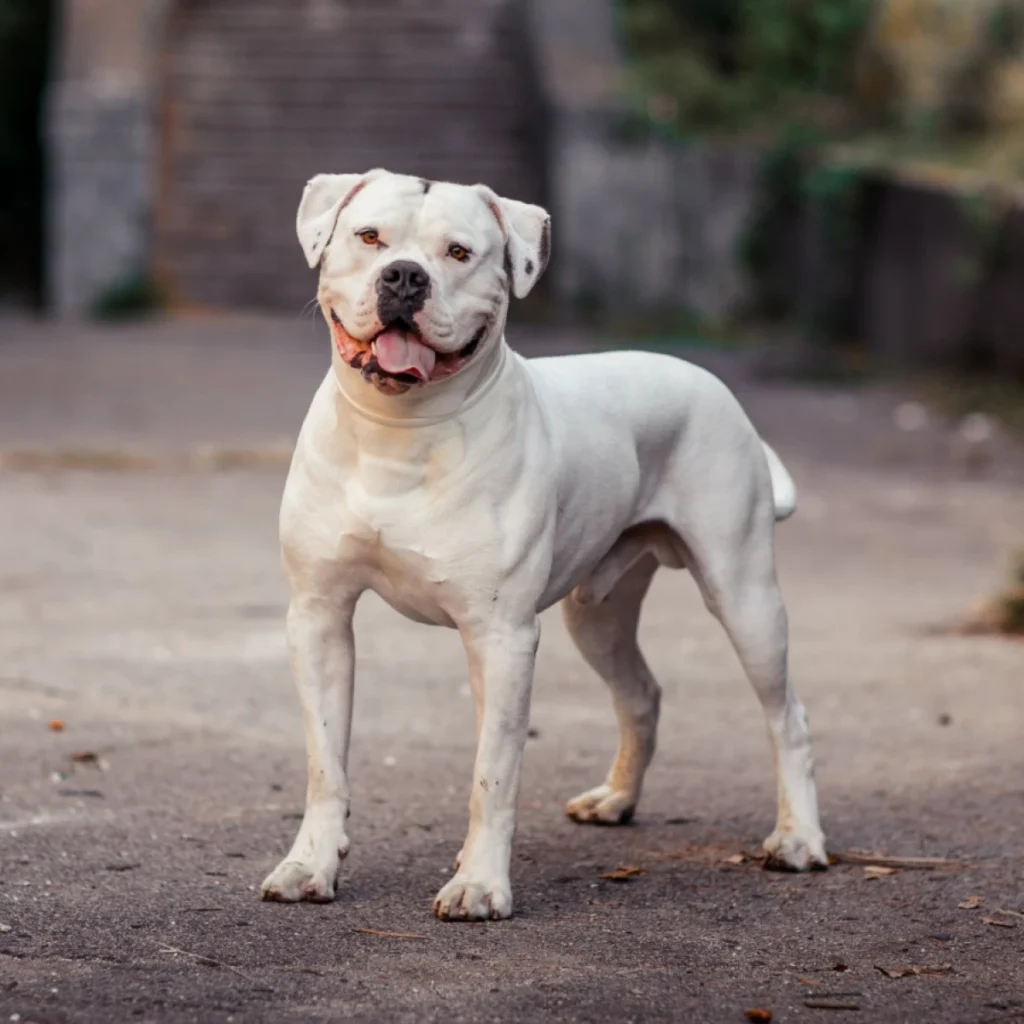 White — the most common coat
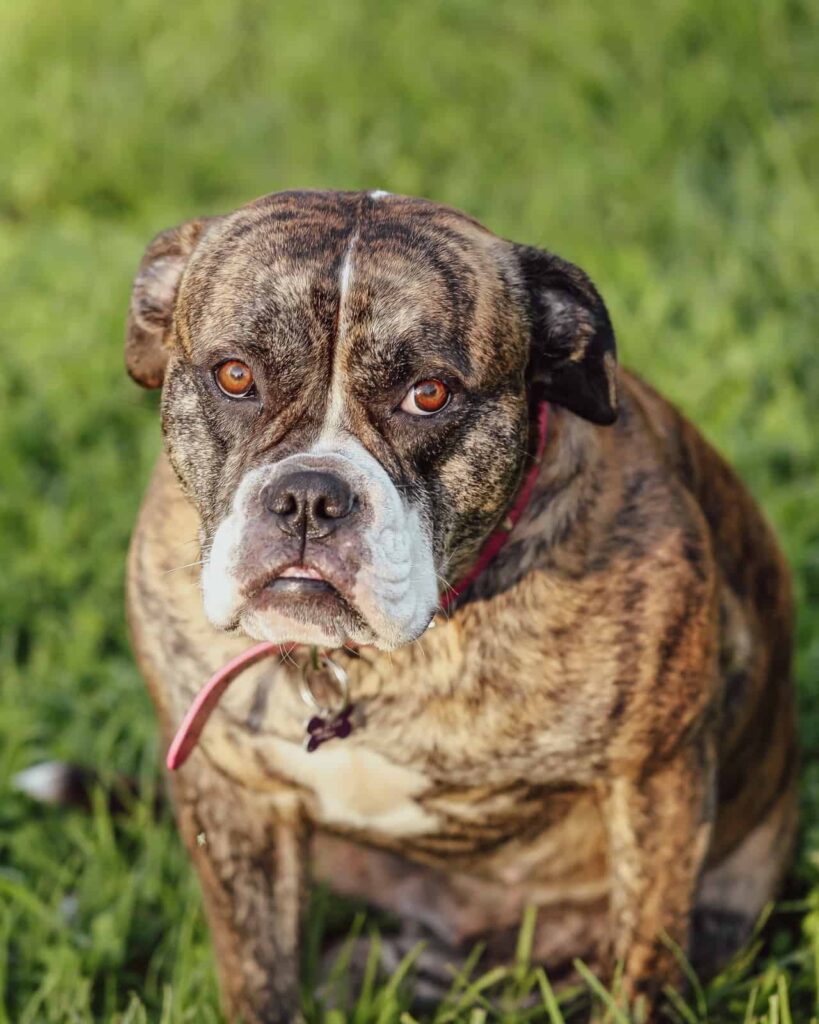 Brindle — dark tiger stripes on brown
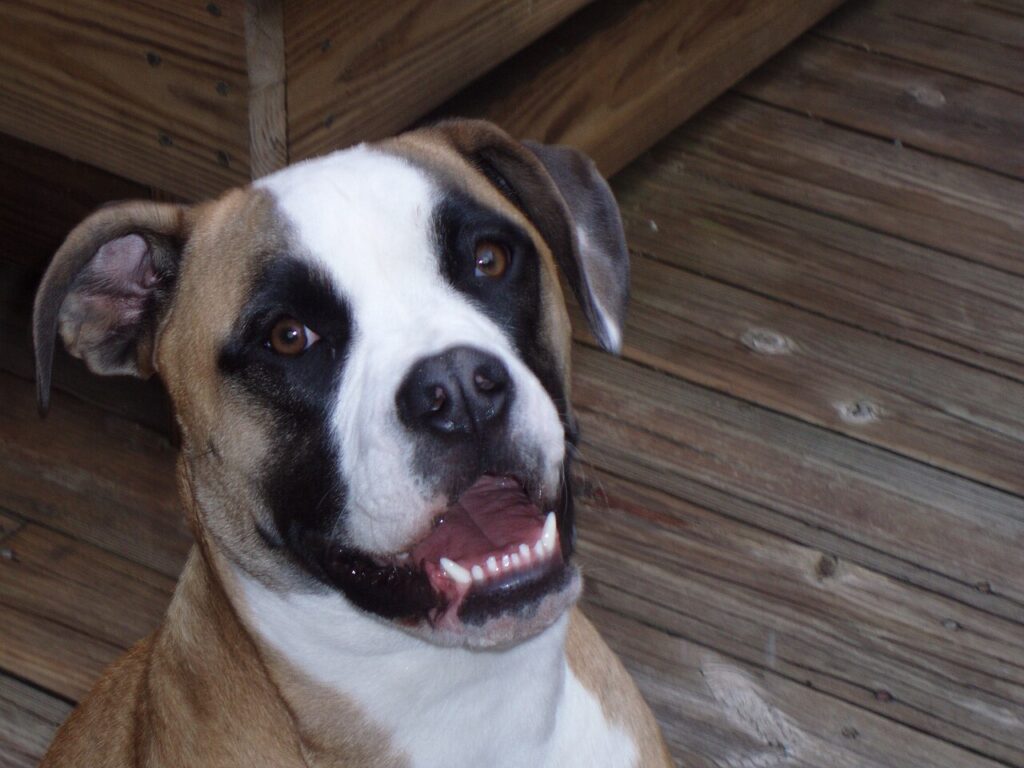 Brown and white — with a black eye patch
 Black and white — bold patches, big smile
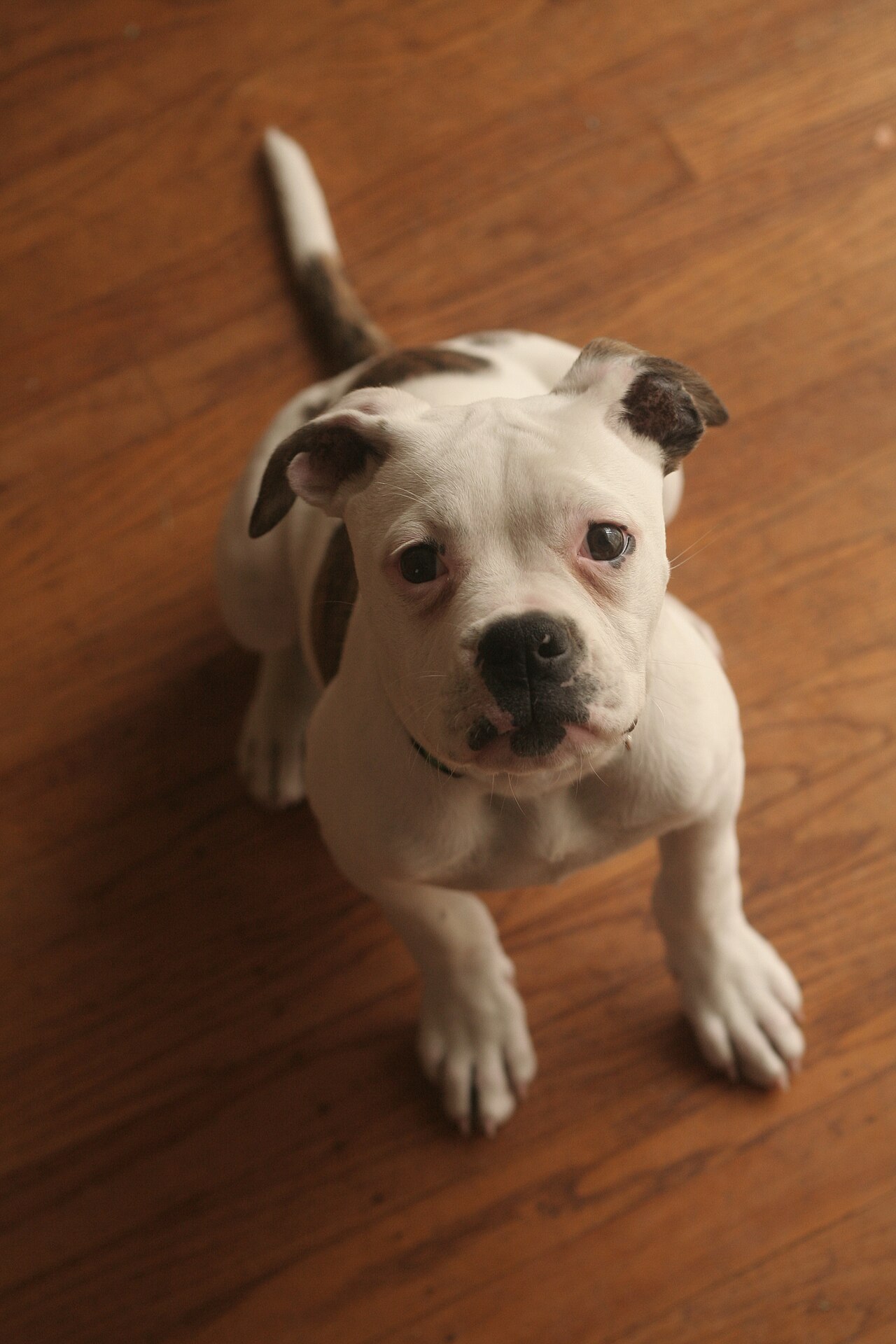
 Puppies — three American Bulldog puppies
What Breed Is My Dog? Free AI Dog Breed Identifier
Upload a photo of your dog and the AI will tell you the breed. Free, no sign-up, and the photo never leaves your browser.
The AI recognises 1,000 categories, including 120+ dog breeds. American Bulldog is not a separate category in this model, so a Bulldog usually shows as American Staffordshire Terrier or Bull Mastiff — its closest relatives.
Breed Facts at a Glance
| Trait | Details |
|---|---|
| Height | Males 22 to 27 inches. Females 20 to 25 inches. |
| Weight | 60 to 100 pounds. Males run heavier. |
| Lifespan | 10 to 12 years. |
| Coat | Short and close. Sheds lightly all year. |
| Colors | Mostly white with patches of brindle, brown, red, or black. |
| Energy | High. Plan on 60 minutes or more of activity daily. |
| Trainability | High. Eager to please but strong willed. |
| Breed group | Guardian Dog Group at the United Kennel Club. |
What Is an American Bulldog?
This breed is a large, muscular working dog from the American South. Farmers used it to drive cattle, catch hogs, and guard the homestead. Its ancestors came from England with working class settlers. By the end of World War II, the breed was almost gone. A returning soldier named John D. Johnson set out to save it. He worked with Alan Scott and other breeders who kept careful records. The United Kennel Club recognized the breed on January 1, 1999. The American Kennel Club lists it in its Foundation Stock Service, a step toward full recognition. Check the AKC site for its current status.
Johnson Type vs Scott Type
Two breeding lines shaped today’s dogs. Breeders call them Johnson and Scott.
| Trait | Johnson (bully type) | Scott (standard type) |
|---|---|---|
| Build | Bulkier, with heavier bone and more muscle | Leaner and more athletic |
| Head | Larger, with a shorter muzzle | Smaller, with a longer muzzle |
| Bite | More pronounced underbite | Less extreme underbite |
| Often suits | Owners who want a stocky, powerful dog | Owners who run, hike, and play hard |
Many dogs today carry both lines. Ask your breeder which type you are getting. Johnson type dogs with broad heads and short muzzles can snore or struggle to breathe in heat. That matters in hot states like Texas, Florida, and Arizona.
Temperament and Personality
Expect a loyal, confident dog that wants to stay near you. Many bond tightly with one or two people but stay warm with the whole household. They also have a goofy side, with grumbles and dramatic couch flops.
Strangers get a quiet, careful look first. Young dogs often act standoffish until about 18 months, when adult confidence settles in. Early socialization teaches your dog the difference between new and threatening.
These dogs are smart and want your approval. They also test weak rules. Stay calm, clear, and consistent.
Are They Good Family Dogs?
Often yes, in the right home. Most are patient with children they grow up with. Their size is the risk. A happy 80 pound dog can knock over a toddler. Supervise every interaction. Hill’s veterinary guide lists homes with small children as a weaker fit.
How Do They Act Around Other Pets?
Some do not like other dogs, especially dogs of the same sex. Introduce any new dog on neutral ground before you commit. Dogs raised alongside other pets usually live in peace. Introduce cats slowly, with a gate between them at first.
Are They Aggressive?
Not by nature. The UKC breed standard lists viciousness as a disqualifying fault. The same standard calls the breed a gentle, loving family companion. A veterinary clinic warns that skipped socialization can lead to adult aggression.
How Much Does an American Bulldog Cost?
Plan for two costs: the price of the dog and the price of keeping it healthy.
Purchase Price
Price guides commonly report $800 to $3,000 for a breeder puppy. Show lines, strong health testing, and local demand can push that higher. Adoption fees vary but are usually far lower.
Do not choose a breeder on price alone. A cheap puppy from a breeder who skips health tests can cost more in vet bills later.
Ongoing and Lifetime Costs
One guide puts lifetime costs between $20,000 and $35,000. Your total depends on where you live and how healthy your dog stays. Here is what drives the bill.
| Cost | What drives it |
|---|---|
| Food | Large breed formulas for puppies and adults. A big dog eats a lot. |
| Routine vet care | Vaccines, checkups, parasite prevention, and dental cleanings. |
| Training | Puppy classes and basic obedience in the first year. |
| Gear | A strong crate, sturdy leash and harness, tough toys, and a bed. |
| Insurance | Premiums rise with age. Most plans exclude conditions that exist before coverage starts. |
| Emergencies | Bloat surgery or orthopedic care can run into the thousands. |
Start an emergency fund the week you bring your puppy home. Enroll in pet insurance while your dog is young and healthy.
American Bulldog Health Problems
This is a generally healthy breed that lives 10 to 12 years. Several conditions run in the lines, so ask every breeder about testing
Hip and Elbow Dysplasia
In dysplasia, the joint does not fit together properly. Over time it causes pain and arthritis. Watch for limping and trouble getting up. Extra weight makes it worse. Reputable breeders screen their dogs. The Orthopedic Foundation for Animals runs hip and elbow evaluation programs.
Skin Problems
Skin conditions stand out in this breed. Allergies cause itching, red skin, hair loss, and ear infections. Ichthyosis is a rare inherited disease that makes skin scaly and itchy. Researchers tied it to a mutation in the NIPAL4 gene, and a genetic test can detect it.
Mild cases need frequent baths with medicated shampoo. Pink skin can also sunburn. Use dog safe sunscreen on the nose, ears, and belly.
Bloat (GDV)
Bloat happens when the stomach fills with gas and twists. The twist cuts off blood flow. It is a true emergency. Deep chested dogs face higher risk.
Warning signs include a swollen belly, retching without vomiting, drooling, and restlessness. Go to an emergency vet at once. Ask your vet about gastropexy, a surgery that helps prevent the twist.
Eye Problems
With entropion, the eyelid rolls inward and lashes scratch the eye. Surgery usually fixes it when caught early. Some dogs also get cherry eye, a popped out third eyelid gland. See your vet about any red or watery eye.
Nerve, Thyroid, and Urinary Conditions
Neuronal ceroid lipofuscinosis, or NCL, is an inherited nerve disease. Signs can start between ages one and three. Early signs are weak hind legs and poor balance. There is no cure, but a genetic test exists.
Low thyroid causes a dry coat and weight gain. A blood test finds it, and a daily pill treats it. Straining to urinate or bloody urine can signal bladder stones. Get urgent vet care.
What to Feed Your Dog at Each Life Stage
Feed a complete, balanced food that meets AAFCO standards. Puppies need a large breed puppy formula. Their bones and joints can take up to 18 months to mature.
Puppies usually eat three meals a day. Adults do well on two. Weigh portions on a kitchen scale instead of guessing. Follow the bag as a starting point, then adjust with your vet.
Aim for a lean, muscular dog. Ask your vet to score your dog’s body condition. Keep treats under 10 percent of daily calories. Skip supplements unless your vet recommends them. Also ask your vet which feeding routine lowers bloat risk.
Exercise and Training
How Much Exercise
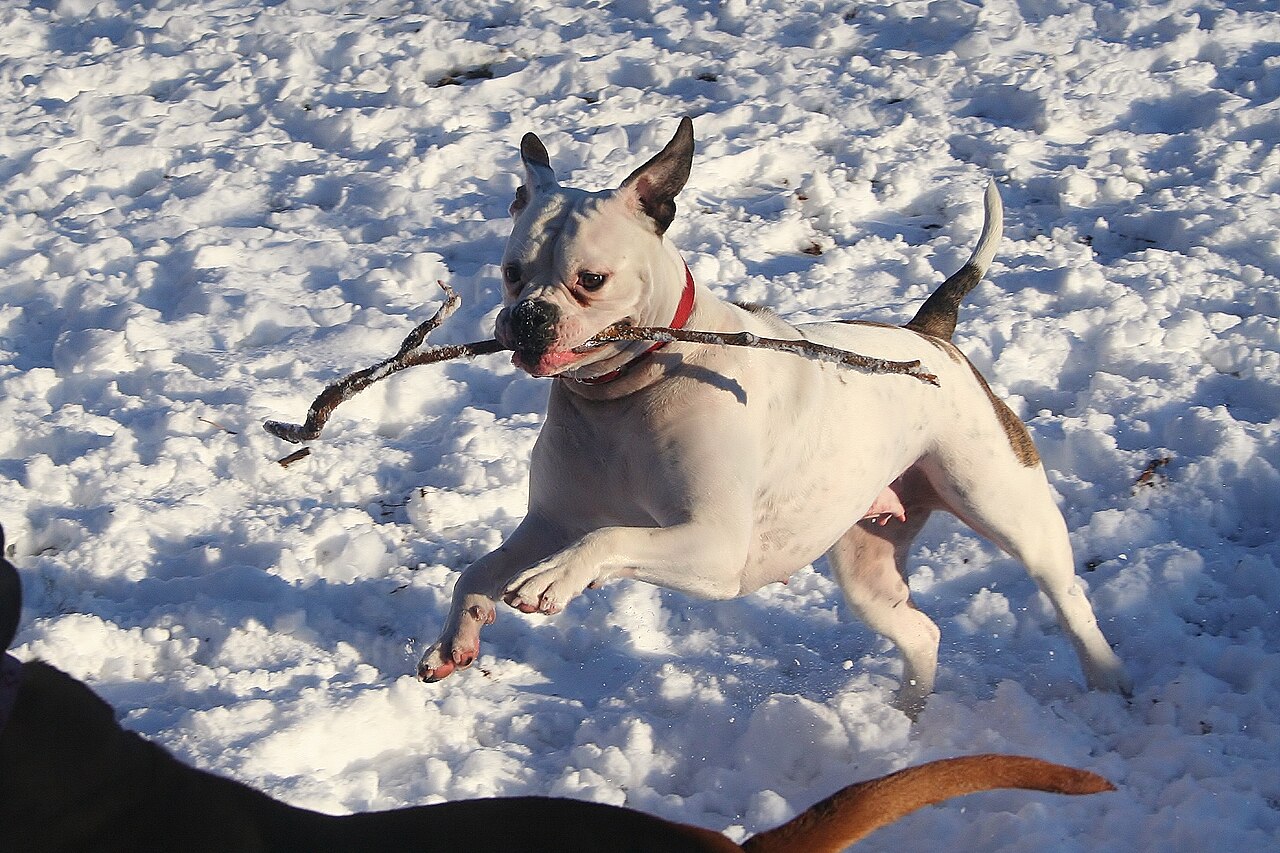
Plan on at least 60 minutes a day. Some healthy adults need one to two hours. Mix hard play with brain work. Good options are hiking, swimming, fetch, tug with clear rules, scent games, and agility.
A bored Bulldog will invent its own job, often with your furniture or yard. In hot states, walk at dawn or after sunset. A short coat does not protect against heat.
How to Train
Start on day one. Use short sessions, treats, and plenty of praise. Your approval motivates this breed more than food. Positive reinforcement works best.
Teach these skills first: drop it, leave it, calm greetings, loose leash walking, and settling on a mat. Also teach your dog to accept ear cleaning, nail trims, and vet handling. Reward calm behavior each time.
Socialization Timeline
- First weeks home: meet calm people, new sounds, and new floors.
- After vaccines: meet friendly, vaccinated dogs and visit new places. Ask your vet when it is safe.
- Up to 18 months: keep practicing. Young dogs often stay wary of strangers until then.
Grooming and Daily Care
The short coat is easy to keep. Skin and ears need more attention. Use this routine.
- Weekly: brush the coat and check for cuts, ticks, lumps, and rashes.
- Weekly: clean the ears and look for odor or redness.
- As needed: bathe with dog shampoo only. Too many baths dry the skin.
- Daily: brush teeth. Wipe facial folds if food collects in them.
- Every 3 to 4 weeks: trim nails.
White dogs can show brown tear stains. Gentle cleaning with an eye wash made for dogs helps
How to Choose a Breeder or Rescue
Questions to Ask a Breeder
- Can I meet both parents?
- What health tests did the parents pass? Look for hip and elbow screening and genetic tests for ichthyosis and NCL.
- Which type are these dogs, Johnson, Scott, or mixed?
- Do you offer a written contract and health guarantee?
Red Flags
- No test results, or only a verbal promise of health.
- Puppies always available, or pressure to send a deposit fast.
- Pricing based mainly on color or rare looks.
- No visits allowed, or puppies leaving before eight weeks.
The UKC runs a Find a Breeder tool, but it does not endorse the breeders listed. Vet every breeder yourself.
Adopting Instead
Breed specific rescues and shelters place these dogs. Ask about the dog’s history with children and other dogs. Ask if staff have tested the dog around other animals.
Is This Breed Right for You?
| Great fit if you | Think twice if you |
|---|---|
| Exercise daily, rain or shine | Work long hours and leave a dog alone |
| Want a dog that works with you | Want a calm lap dog |
| Have a secure, fenced yard | Have no space for a large, powerful dog |
| Will commit to training and socialization | Prefer a hands off approach |
| Can afford a large dog’s food and vet bills | Cannot cover a surprise bloat surgery |
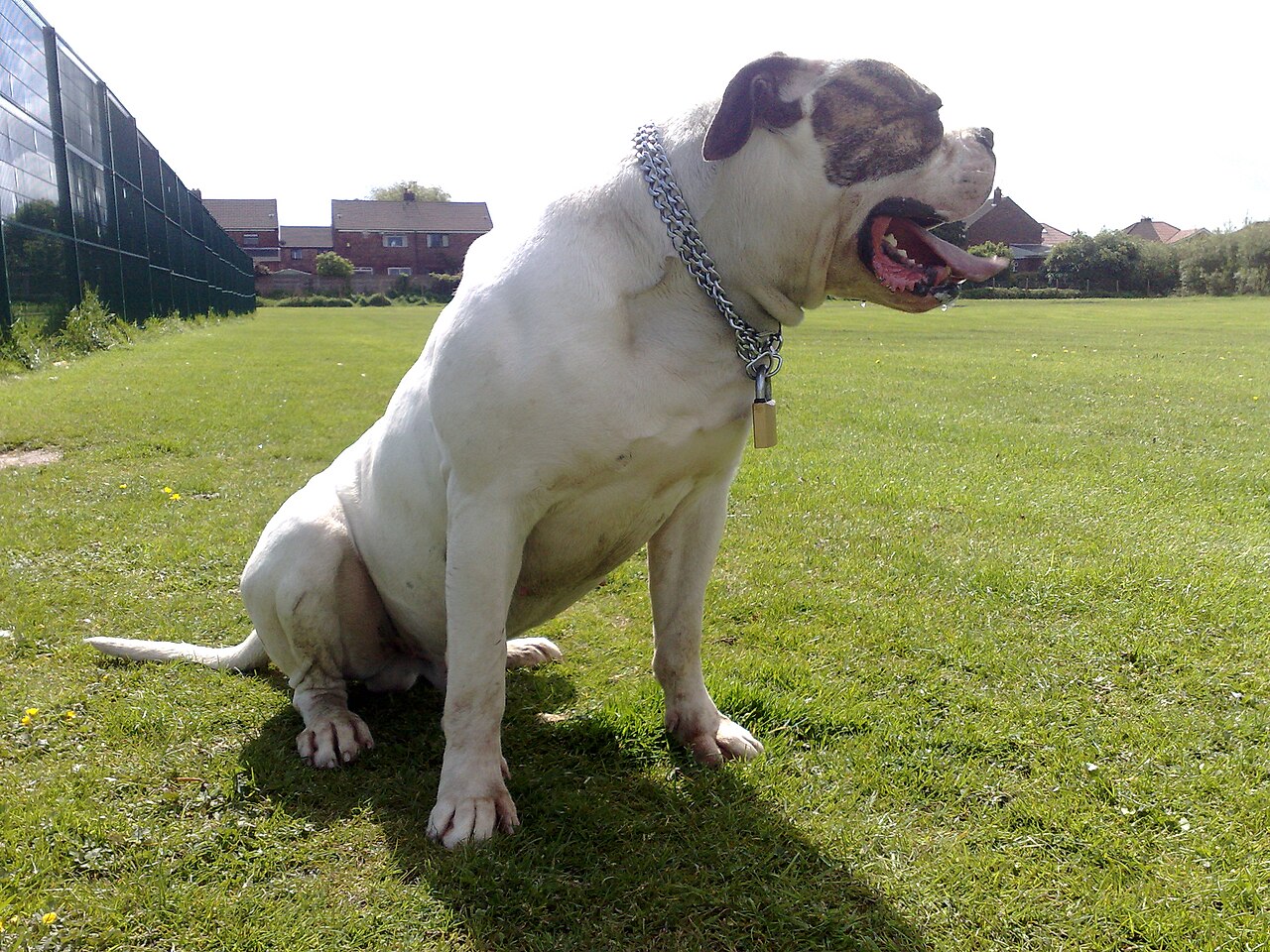
Local rules matter as much as lifestyle. Some cities, counties, landlords, military housing offices, and insurers restrict bully type breeds. Check your lease, local ordinances, and homeowners policy before you buy. In cold states, a short coat offers little warmth. Use a dog coat on long winter walks and rinse road salt off the paws. Summer heat is the bigger concern.
How It Compares With Similar Breeds
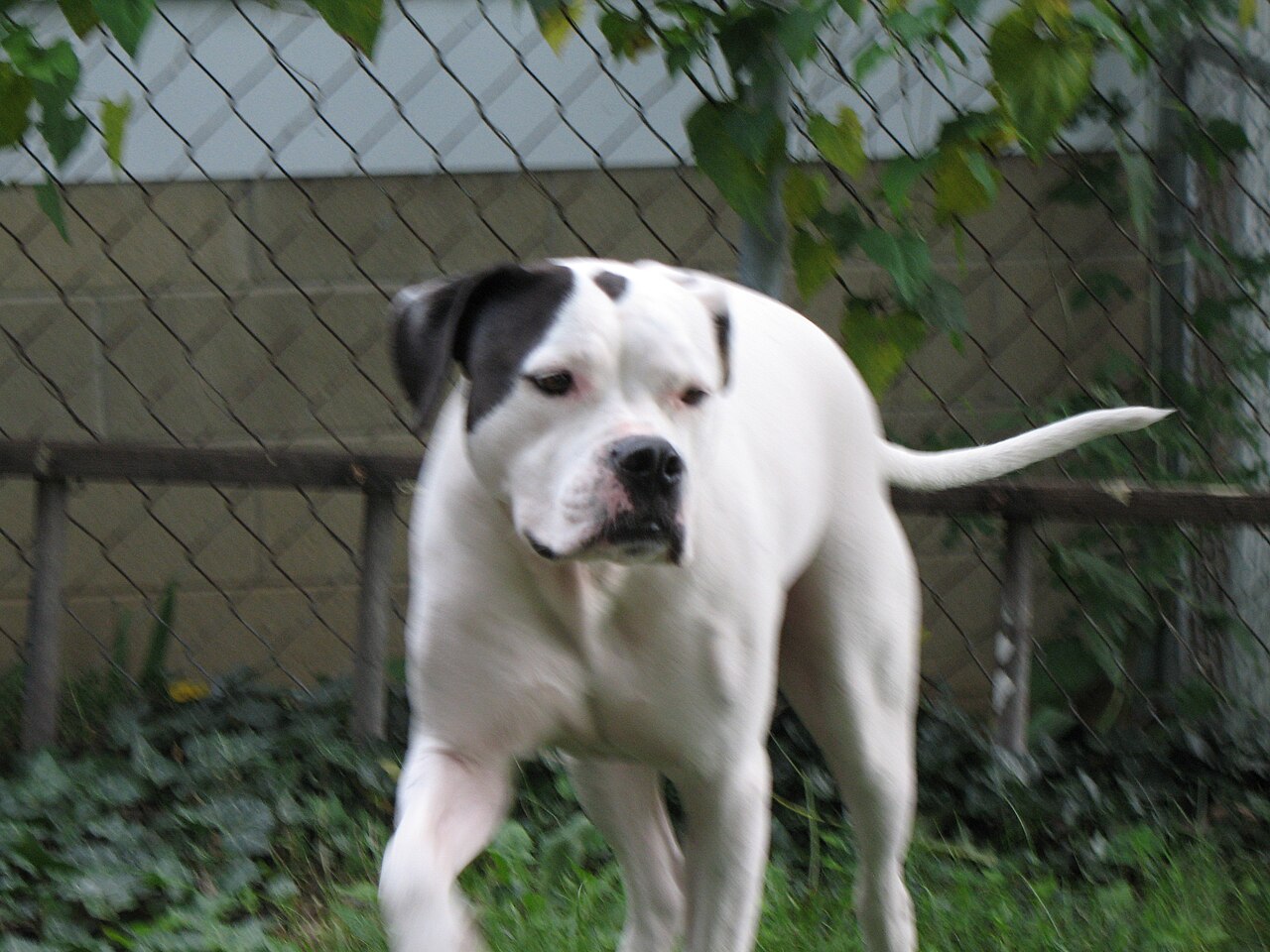
| American Bulldog | English Bulldog | Pit Bull type dogs | |
|---|---|---|---|
| Weight | 60 to 100 pounds | 40 to 50 pounds | Varies by breed |
| Energy | High | Low | Varies |
| Origin | Working farm dog | Shorter, stockier, less athletic | A group of related breeds |
The term pit bull covers a group of breeds. Some definitions include American Bulldogs. The American Bully is a newer, separate breed. It usually looks shorter and stockier.
Frequently Asked Questions
When do they stop growing?
Bones and joints keep maturing until about 18 months. Expect your dog to fill out through that time.
Do they drool or snore?
Drooling ranges from low to moderate. Some dogs, especially broad headed Johnson types, snore.
Are they hypoallergenic?
No. They shed lightly, but no breed is allergy proof. Spend time with the breed before you commit if allergies run in your home.
Can I crop the ears or dock the tail?
It is legal in the US, but UKC prefers natural ears and tails. UKC says judges may not penalize any dog for natural ears or a full tail. Talk with your vet first.
Are they good guard dogs?
They guard by instinct and will bark to alert you. Good training matters more than protection. A trained dog learns to wait for your cue.
Can a first time owner handle one?
Yes, if you are confident and consistent and you commit to structured, positive training. Sign up for a puppy class early.
Related reading: Can Dogs Have Blueberries? Safe Amounts, Risks, and How to Serve Them