Can Dogs Have Cinnamon? What Is Safe and What Is Not
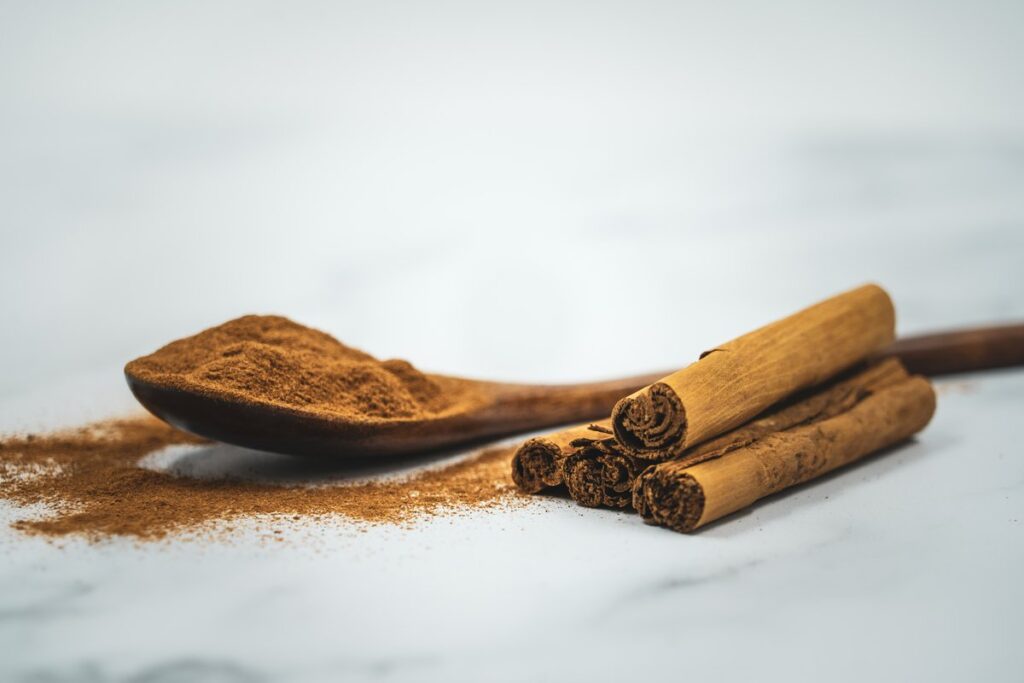
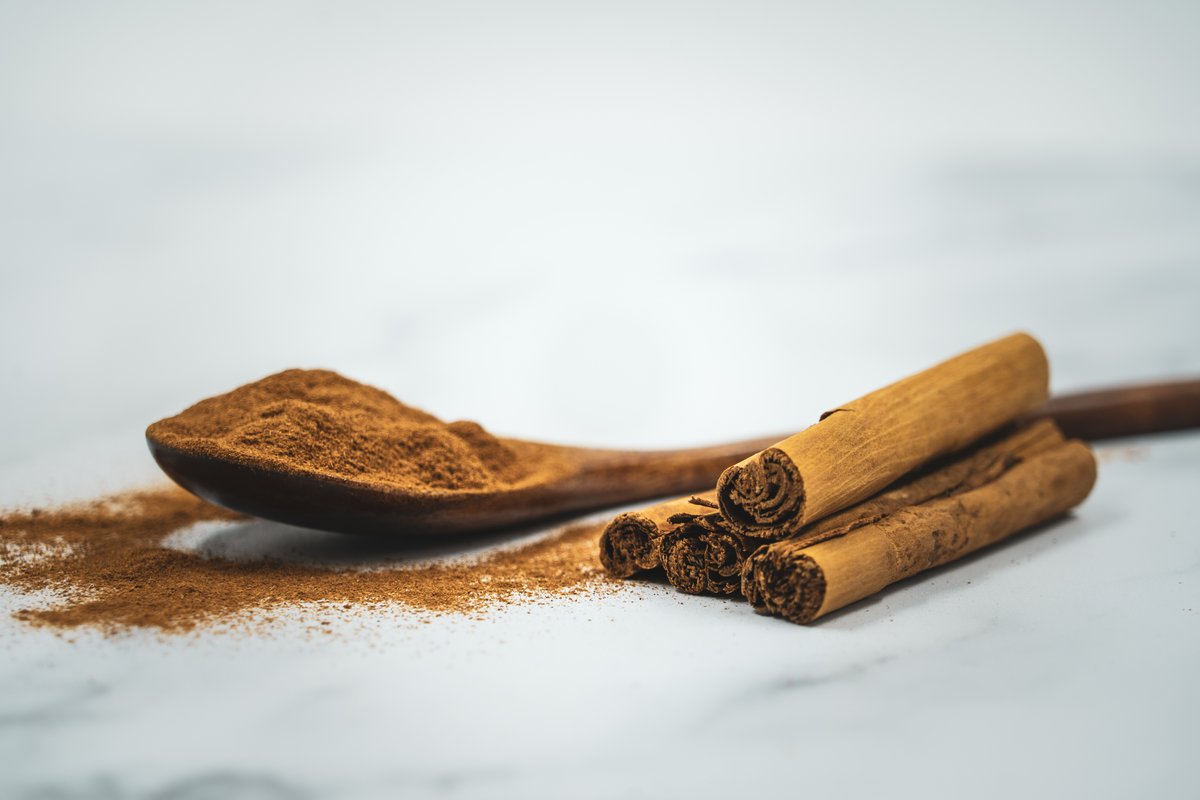
Yes, dogs can have cinnamon in small amounts. A pinch of plain ground cinnamon mixed into food is not toxic. The ASPCA lists cinnamon as non-toxic to dogs. But the amount and the form matter a lot. A spoonful of dry powder, a cinnamon stick, or cinnamon oil can cause real trouble. This guide explains how much is safe. It also covers which type to pick and what to do if your dog eats too much.
Key takeaways
- A pinch of ground cinnamon is safe for most dogs. The ASPCA lists cinnamon as non-toxic.
- More than about 1 teaspoon of powder can cause vomiting, diarrhea, and coughing.
- Cinnamon oil and cinnamon sticks are not safe. Keep both away from dogs.
- Nutmeg, not cinnamon, is the real danger in pumpkin spice. Nutmeg is toxic to dogs.
- Cinnamon treats are risky because of sugar, xylitol, chocolate, and raisins, not the cinnamon.
- No study shows a health benefit from cinnamon in dogs. Do not give it as medicine.
Can Dogs Have Cinnamon? The Short Answer

Can dogs have cinnamon? Yes, in small amounts. A light sprinkle of ground cinnamon on your dog’s food will not hurt a healthy adult dog. The ASPCA, the group that tracks which foods and plants are toxic to pets, lists cinnamon as non-toxic. That means a pinch is fine.
But “non-toxic” does not mean “eat as much as you want.” Cinnamon is a strong spice. In large amounts it irritates the mouth, throat, and gut. The danger is the dose. A pinch is safe. A spoonful is not.
If your dog has a health problem, is on medicine, or is a puppy, check with your vet first. This guide is general information. It is not a vet diagnosis or a treatment plan.
How Much Cinnamon Can a Dog Have?
A pinch is the safe amount. That means a light dusting, less than one eighth of a teaspoon, mixed into food. For a small dog, use even less. For a large dog, a pinch is still enough.
The Pet Poison Helpline is a US animal poison control service. It says that more than 1 teaspoon of cinnamon powder can cause problems in dogs. That is the line to watch. A teaspoon sounds small. But for a dog, it is a lot of spice at once.
| Form | Amount | Risk |
|---|---|---|
| Ground cinnamon, mixed in food | A pinch, under 1/8 teaspoon | Low. Safe for most healthy adult dogs. |
| Ground cinnamon, eaten dry | 1 teaspoon or more | Medium to high. Can cause vomiting, diarrhea, and coughing. |
| Cinnamon powder, breathed in | Any amount in the air | High. Fine powder irritates the lungs and can cause choking. |
| Cinnamon sticks | Any amount | High. A choking risk. The bark can cut the mouth and gut. |
| Cinnamon oil or extract | Any amount, even a few drops | High. The oil is very strong. It can burn the mouth and upset the stomach. |
The table makes the rule simple. Ground cinnamon in a tiny pinch is fine. Every other form is a problem. Keep cinnamon oil, sticks, and large amounts of powder out of reach.
Ceylon vs Cassia: Which Cinnamon Is Safer?
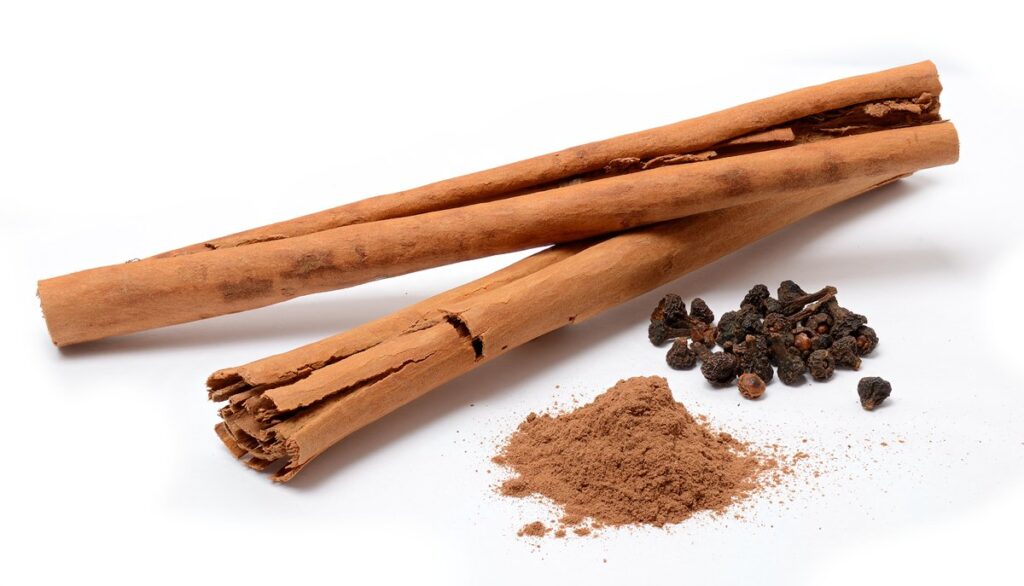
The cinnamon in most US stores is cassia cinnamon. It comes from the bark of the Cinnamomum cassia tree. It is cheap and strong. The other type is Ceylon cinnamon. It comes from Cinnamomum verum, also called true cinnamon. It is softer and milder.
The difference that matters is coumarin. Coumarin is a natural compound in cinnamon. In large amounts, it can harm the liver. Cassia has much more coumarin than Ceylon. Ceylon has very little.
For a pinch now and then, the type does not matter much. The amount is too small for coumarin to be a problem. But if you give cinnamon often, Ceylon is the safer pick. It has less coumarin. You can find Ceylon cinnamon at most grocery stores. The label will say “Ceylon” or “true cinnamon.”
Note that the ASPCA entry names Ceylon cinnamon, Cinnamomum zeylanicum, as non-toxic. Cassia is the common type in the US. No major US source lists cassia as toxic in small food amounts. The pinch rule still applies to both types.
What Happens If a Dog Eats Too Much Cinnamon?
A dog that eats a spoonful or more of dry cinnamon powder can show signs fast. The powder dries out the mouth. It can make a dog cough and gag. If the dog breathes the powder in, it can choke or have trouble breathing. The fine dust irritates the nose, throat, and lungs.
In the gut, too much cinnamon can cause vomiting and diarrhea. It can also cause low blood sugar in some dogs. The signs often show up within a few hours.
Call your vet or the Pet Poison Helpline if your dog shows any of these signs after eating cinnamon.
- Coughing, gagging, or trouble breathing.
- Vomiting or diarrhea.
- Drooling more than usual.
- Acting tired or weak.
- A swollen tongue or mouth pain.
Do not try to make your dog vomit at home unless a vet tells you to. Give your dog fresh water to drink. Keep the cinnamon container so you can tell the vet how much was eaten.
Cinnamon Oil Is Not Safe for Dogs
Cinnamon oil is not the same as ground cinnamon. The oil is made by distilling the bark or leaves. It is very strong. Even a few drops can burn the mouth and throat. It can cause vomiting, diarrhea, and a fast heart rate. Some dogs have skin burns from cinnamon oil on their skin.
Cinnamon oil is used in air fresheners, candles, and some dog shampoos. Do not use it on your dog’s skin or fur. Do not put it in a diffuser in a small room with your dog. The scent is strong and can irritate the lungs.
If your dog licks cinnamon oil, wash the area with mild soap and water. Do the same if oil gets on its skin. Then call your vet. The vet can tell you what to watch for based on how much oil your dog got.
Cinnamon Sticks: A Choking and Irritation Risk
Cinnamon sticks look like a fun chew toy. They are not. The bark is hard and sharp. A dog that bites a stick can cut its mouth, tongue, or gums. A piece of bark can break off and lodge in the throat. It can also block the gut if swallowed.
Small dogs face the highest risk. A stick is big enough to choke a small dog. Large dogs can break the stick into sharp pieces. Either way, the stick is a hazard.
Keep cinnamon sticks in a closed jar or a high cabinet. If your dog chews one, take it away. Check the mouth for cuts. Call your vet if your dog coughs, gags, or will not eat after chewing a stick.
The Pumpkin Spice Problem: It Is the Nutmeg

Pumpkin spice lattes and pumpkin pie spice are a fall favorite. Many dog owners ask if their dog can have a taste. The cinnamon in pumpkin spice is not the problem. The nutmeg is.
Nutmeg is toxic to dogs. It has a compound called myristicin. In dogs, myristicin can cause shaking, confusion, a fast heart rate, and seizures. Even a small amount can be a problem. Pumpkin spice blends often have nutmeg, ginger, cloves, and allspice along with cinnamon.
A lick of a pumpkin spice latte is not likely to harm a large dog. But a whole drink is a risk. Do not give your dog pumpkin spice foods or drinks. If your dog eats a food with nutmeg in it, call your vet. Tell the vet how much nutmeg the food had.
Cinnamon Rolls and Other Baked Goods

Cinnamon rolls are not safe for dogs. But cinnamon is not the reason. The danger is what else is in the roll. Most cinnamon rolls have sugar, butter, and white flour. Some have raisins, chocolate, or xylitol. Raisins can cause kidney failure in dogs. Chocolate is toxic. Xylitol, a sugar-free sweetener, can cause a deadly drop in blood sugar.
A plain bite with no raisins, chocolate, or xylitol is not likely to harm a large dog. But it is still a bad treat. It has too much sugar and fat. Too much sugar can upset the stomach. Too much fat can cause pancreatitis, a painful swelling of the pancreas.
The same rule applies to cinnamon toast, cinnamon sugar, and cinnamon cereal. The cinnamon is not the problem. The sugar, butter, and other extras are. To give your dog cinnamon flavor, use a pinch of plain ground cinnamon on plain food. Skip the baked goods.
Can Puppies Have Cinnamon?
Puppies are more sensitive than adult dogs. Their guts are still growing. Their livers are still learning to process new foods. A pinch of ground cinnamon is likely safe for a puppy over 8 weeks old. But puppies do not need spice in their food.
Do not give cinnamon oil, sticks, or large amounts of powder to a puppy. The risks are higher for a small body. If a puppy eats cinnamon powder or oil, call your vet right away. The vet may want to see the puppy the same day.
Does Cinnamon Help Dogs?
Some websites claim cinnamon helps dogs. They say it fights germs, lowers blood sugar, and eases joint pain. These claims are not proven in dogs. No study has fed cinnamon to dogs and measured a health benefit. The claims come from lab tests and human studies. Dogs are not people.
Some sites also say cinnamon is an antioxidant or anti-inflammatory for dogs. There is no proof of that in dogs. Do not give your dog cinnamon as medicine. If your dog has a health problem, the vet can prescribe a treatment that is proven to work.
Cinnamon is fine as a tiny bit of flavor. It is not a health product for dogs. A pinch for taste is the only good reason to use it.
How Much Cinnamon Is Too Much for a Dog?
More than about 1 teaspoon of ground cinnamon powder is too much. The Pet Poison Helpline lists this as the level where problems start. A pinch, under one eighth of a teaspoon, is safe for most healthy adult dogs. Anything between a pinch and a teaspoon is a gray zone. The risk rises with the amount. For a small dog, even half a teaspoon can be too much. If your dog eats more than a teaspoon, watch for coughing, vomiting, and diarrhea. Call your vet if any of these signs show up.
Can Dogs Eat Cinnamon Rolls?
No, dogs should not eat cinnamon rolls. The cinnamon is not the problem. The roll itself is. Most cinnamon rolls have sugar, butter, and white flour. Many have raisins, chocolate, or xylitol. Raisins can cause kidney failure. Chocolate is toxic. Xylitol can cause a deadly drop in blood sugar. A plain bite with none of these extras is not likely to harm a large dog. But it is still a bad treat. It has too much sugar and fat. Skip the roll and give a dog-safe treat instead.
Can Dogs Have Pumpkin Spice?
No, do not give your dog pumpkin spice foods or drinks. The cinnamon in pumpkin spice is not the issue. The nutmeg is. Nutmeg is toxic to dogs. It can cause shaking, confusion, a fast heart rate, and seizures. Pumpkin spice blends almost always have nutmeg in them. A lick of a pumpkin spice latte is not likely to harm a large dog. But a whole drink or a spoonful of spice mix is a risk. If your dog eats food with nutmeg, call your vet right away.
Is Cinnamon Oil Safe for Dogs?
No, cinnamon oil is not safe for dogs. The oil is much stronger than ground cinnamon. Even a few drops can burn the mouth and throat. It can cause vomiting, diarrhea, and a fast heart rate. It can also burn the skin. Do not use cinnamon oil on your dog’s skin or fur. Do not put it in a diffuser in a small room with your dog. If your dog licks cinnamon oil, wash the mouth with water and call your vet.
Can Puppies Eat Cinnamon?
A tiny pinch of ground cinnamon is likely safe for a puppy over 8 weeks old. But puppies do not need it. There is no reason to add spice to a puppy’s food. Do not give a puppy cinnamon oil, cinnamon sticks, or large amounts of powder. Puppies are more sensitive than adult dogs. Their small bodies handle spice worse. If a puppy eats cinnamon powder or oil, call your vet right away.
What Should I Do If My Dog Eats a Lot of Cinnamon?
First, stay calm and take the cinnamon away. Give your dog fresh water to drink. Do not try to make your dog vomit unless a vet tells you to. Watch for coughing, gagging, vomiting, diarrhea, or tiredness. Call your vet or the Pet Poison Helpline at 855-764-7661. Tell them how much cinnamon your dog ate and what form it was in. Keep the container so you can read the label to the vet. If your dog has trouble breathing, go to an emergency vet clinic right away.
Is Ceylon Cinnamon Better Than Cassia for Dogs?
Yes, Ceylon cinnamon is the safer pick if you give cinnamon often. Ceylon has much less coumarin than cassia. Coumarin is a natural compound that can harm the liver in large amounts. Cassia is the common type in US stores. It has far more coumarin. For a pinch now and then, the type does not matter. The amount is too small. But if you use cinnamon often, buy Ceylon. The label will say “Ceylon” or “true cinnamon.”
Can Dogs Eat Cinnamon Toast or Cinnamon Sugar?
Dogs should not eat cinnamon toast or cinnamon sugar. The cinnamon is not the problem. The sugar is. Cinnamon toast has butter and sugar. Cinnamon sugar is mostly sugar. Too much sugar upsets a dog’s stomach and adds weight. It can also harm the teeth. If you want to give your dog cinnamon flavor, use a pinch of plain ground cinnamon on plain food. Skip the toast and the sugar.
Can dogs have cinnamon? Yes, in a pinch. That is the whole answer. A light sprinkle of plain ground cinnamon is safe for most healthy adult dogs. Keep the oil, the sticks, and the spoonfuls away. Watch out for nutmeg in pumpkin spice. Skip the cinnamon rolls and sugary treats. And if your dog eats too much, call your vet.
Related reading: American Bulldog Breed Guide: Size, Temperament, Health and Cost and Can Dogs Have Blueberries? A Complete Guide for Owners.