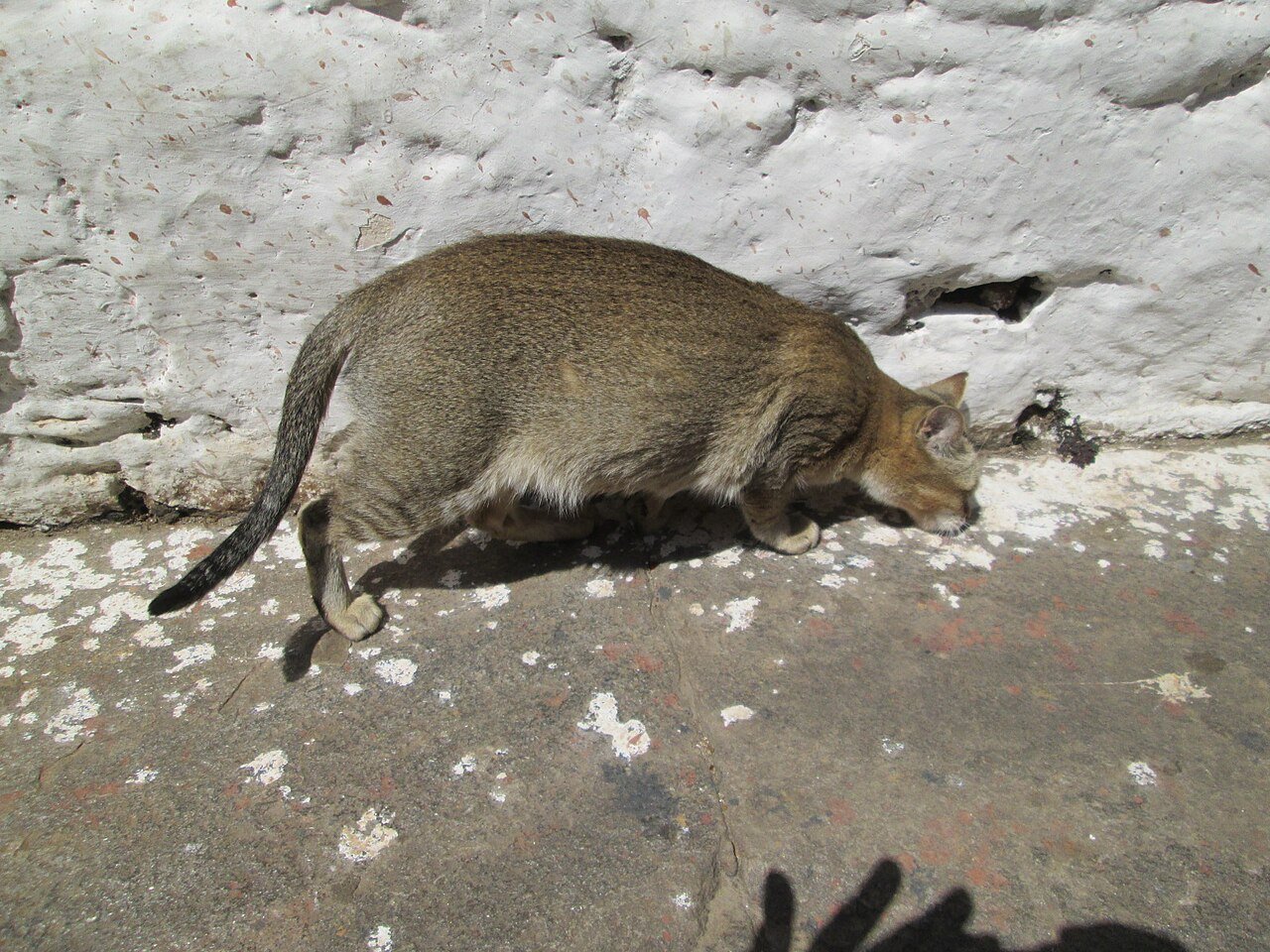
How Long Are Cats Pregnant? Signs, Stages, and Care

If your cat may be pregnant, the first thing you want to know is the date. How long are cats pregnant? About nine weeks, or 63 to 65 days. That short window means each week brings big changes. This guide walks you through the whole timeline in plain words.
A pregnant cat is called a queen. Most queens handle birth on their own with little help. Your job is to feed her well, keep her calm, and know when to call the vet. Read on to learn the signs, the stages, and the care that keeps both mother and kittens safe.
Key Takeaways
- Cats stay pregnant for about 63 to 65 days, or close to nine weeks.
- Pink, swollen nipples at about three weeks are often the first sign.
- Feed a high-calorie kitten food from the end of the first month.
- Set up a quiet nest box in the last weeks, away from noise.
- Call the vet fast for blood, hard straining with no kitten, or a weak queen.
How Long Are Cats Pregnant?
The short answer is 63 to 65 days. That works out to about nine weeks, or close to two months. Some cats give birth a few days early or late. A range of 60 to 70 days still counts as normal. The exact day is hard to pin down unless you know when she mated.
Why is the date so hard to pin down? A cat can mate more than once in a heat, and the eggs may meet sperm days later. So the day she mated is not always the day the kittens started to grow. Your vet can date the pregnancy better with an exam, an ultrasound, or an X-ray. We cover those tests below.
The whole pregnancy splits into three parts of about 20 days each. Vets call them trimesters. The first two can look much the same from the outside. The last one brings the big changes you can see. The table below gives the quick view, and the sections after it fill in the detail.
Cat Pregnancy Timeline
| Stage | Days | What you can see |
|---|---|---|
| First trimester | 1 to 21 | Few signs. A small rise in appetite. Nipples may start to pink up. |
| Second trimester | 21 to 42 | Belly starts to swell. She grows calmer and more loving. |
| Third trimester | 42 to 63 | Big belly. Swollen nipples. Nesting. Milk may show near the end. |
First Trimester: Days 1 to 21
Little changes in the first three weeks. She may eat a bit more than usual. Some cats feel sick in the morning and eat less for a few days. That sick feeling should pass by week three. Her nipples may turn pink and grow a little. This is called pinking up, and it often shows at about day 16 to 20.
The kittens are tiny at this point. The eggs meet sperm in the first week. The young kittens then settle into the womb. You cannot feel them yet. A vet can sometimes feel small lumps in her belly by about day 17 or 18. Do not try this at home. A rough touch can harm the kittens.
Second Trimester: Days 21 to 42
This is when the pregnancy starts to show. Her belly grows rounder, and the change is clear by about day 35. She may gain weight and eat more at each meal. Many queens grow calmer in these weeks.
The kittens grow fast now. Their organs form by about week five. A vet can see their heartbeats on an ultrasound at three to four weeks. That scan is the surest way to confirm the pregnancy. It also shows that the kittens are alive and well.
Third Trimester: Days 42 to 63
The last three weeks bring the biggest changes. Her belly swells a lot as the kittens put on weight. She may gain two to four pounds in all by the end. Her nipples and breast tissue swell, and milk may show in the last days.
She will also start to look for a nest. She may pace the house and test quiet spots. Her appetite can turn huge, then drop in the last day or two. Give her small meals often. Her belly is full of kittens, so there is little room for food.
How to Tell if a Cat Is Pregnant
Early pregnancy is hard to spot. The signs creep in one by one. If you see a few of them together, a vet visit can confirm it. Here are the signs most owners notice first.
- Pink, swollen nipples at about three weeks. This is called pinking up.
- A belly that grows rounder from about week five.
- More food at each meal, and weight gain that shows.
- A calmer, more loving mood. She may follow you from room to room.
- More sleep in the day, and less interest in play.
- Nesting late in the pregnancy. She may test boxes and dark corners.
One sign alone proves nothing. A cat can gain weight or grow loving for other reasons. The surest check is a vet test, not a guess at home.
How Your Vet Can Confirm a Pregnancy
Your vet has three ways to confirm a pregnancy. Each one works best at a set time. A vet visit also rules out a false pregnancy. That is a rare state where a cat shows swollen breasts and even milk, but carries no kittens.
- Feel by hand. A vet can feel the kittens in her belly at about two and a half weeks.
- Ultrasound. A scan at three to four weeks shows heartbeats and live kittens.
- X-ray. A scan at about six weeks shows the skeletons and can count the kittens.
Tell the vet about any shots she has had. Bring a fresh stool sample too. Worms pass from mother to kittens with ease, and a stool test can catch them. Your vet can pick a worming drug that is safe in pregnancy.
How to Care for a Pregnant Cat

Pregnant cats need little fuss. They do need good food and a calm home. Keep her inside if you can. The outdoors brings fights, traffic, and germs. Keep her routine steady. Let her rest when she wants to rest.
Food for a Pregnant Cat
Feed a food made for kittens or for pregnancy and nursing. These foods pack more calories per bite. Start the new food by the end of the first month. Keep feeding it until the kittens stop nursing. Offer small meals through the day. Her belly has little room late on, so four small meals beat two big ones.
Fresh water should sit near her food and her bed. Do not change her food in one jump. Mix the new food with the old food over a few days. A fast switch can upset her gut.
Shots and Worms
Shots work best before a pregnancy starts. A mother with shots passes some cover to her kittens through her milk. If she missed her shots, wait until after she gives birth. Live shots must never go to a pregnant cat. A killed shot, such as most rabies shots, may be fine if your vet says so.
Keep flea and tick cover going, but use a product your vet says is safe in pregnancy. Some worming drugs are safe too. Your vet can pick the right one after a stool test. Worms slow a kitten down fast, so this check is worth it.
A Quiet Home
Give her a warm spot away from noise and other pets. Keep small kids from chasing her. Let her sleep as much as she likes. A calm queen eats better and rests better. Both help the kittens grow.
Getting Ready for Birth
Set up the nest in the last weeks. A cardboard box with low sides works well. Line it with old towels or pillowcases. Put it in a quiet corner where you can still watch from a distance. Keep it free of drafts. New kittens chill fast and cannot warm up on their own.
Show her the box, but let her choose her own spot too. If she picks a closet or a drawer, you can move the box there. Keep a few clean towels near by. You may need them to dry a kitten or clear its nose.
- A lined box or covered bed in a quiet, draft-free spot.
- Clean towels and old sheets for the box.
- Your vet number and the nearest emergency clinic number.
- A warm room. The nest should stay at 85 to 90 degrees in the first week.
Signs Your Cat Is in Labor
Labor gives a few clear signs in the last day. Most queens stop eating the day before birth. She may scratch at her nest and seem restless. She may pant, pace, or lick herself a lot. If you take her temperature, a drop below 100 degrees means labor should start within the day.
The first stage of labor is quiet. The womb starts to squeeze, but you may see little from the outside. This stage can last hours. Do not crowd her. Watch from a distance and let her work.
What Happens During Birth
Birth has three stages that repeat for each kitten. In the second stage she strains and pushes the kitten out. Each kitten takes about five to 30 minutes to pass. Kittens come out in a sac of fluid, most often head first. The mother licks the sac open and cleans the kitten.
In the third stage she passes the sac and the afterbirth for that kitten. The afterbirth may look greenish black. That is normal. One afterbirth should pass for each kitten. She may pause between kittens. A pause can last 24 to 36 hours if she feels unsafe. Most queens finish the whole litter within six hours.
Call your vet at once if she strains hard for more than 20 minutes with no kitten. Call too if a kitten stays stuck in the birth canal for more than 10 minutes. Call also if she seems weak, cries in pain, or bleeds a lot. Do not pull a kitten out yourself. A wrong pull can harm the mother and the kitten.
After the Kittens Arrive

Once the last kitten is out, check that each one is dry and warm. Clear the nose and mouth if a kitten snuffles. Swap soiled towels for clean ones when you can do it without fuss. The nest should stay at 85 to 90 degrees for the first week. Kittens cannot hold their own heat yet.
Most kittens find the milk on their own. Watch that each one nurses in the first hours. The first milk is rich in cover against germs. If a kitten will not nurse, or the mother pushes one away, call your vet. A weak kitten fades fast.
Keep feeding the mother her high-calorie food while she nurses. Fresh water should stay close. Do not let other pets near the nest for the first days. When the kittens are about eight weeks old, they can move to solid food. Ask your vet about the best time to spay the mother once the kittens are weaned.
When to Call the Vet
Most cat births go well with no help. But some signs mean you should not wait. Call your vet or an emergency clinic if you see any of these.
- Blood or foul discharge at any point in the pregnancy.
- She stops eating, has loose stools, or vomits for more than a day.
- Hard straining for more than 20 minutes with no kitten.
- A kitten stuck in the birth canal for more than 10 minutes.
- She seems weak, flat, or in strong pain during labor.
- Labor stops for hours with kittens still inside.
- A kitten will not nurse, or the mother pushes her kittens away.
How long are cats pregnant for?
Cats are pregnant for about 63 to 65 days, or close to nine weeks. Some cats give birth a few days early or late. A range of 60 to 70 days still counts as normal. If she passes day 70 with no signs of labor, call your vet.
How can I tell if my cat is pregnant?
Watch for pink, swollen nipples at about three weeks, a rounder belly from week five, and a bigger appetite. She may grow calmer and sleep more. A vet can confirm it with a feel. An ultrasound at three to four weeks shows heartbeats. An X-ray at about six weeks shows the skeletons.
How many kittens will my cat have?
Most litters have four to six kittens. A first-time mother may have fewer. An X-ray late in pregnancy can count the kittens, so you know when birth is done.
Can a cat get pregnant at four months old?
Yes. Cats can get pregnant as young as four months, though five to six months is more common. Keep a young female away from whole male cats until she is spayed. Heat cycles start early, and one mating is enough.
Can a cat get pregnant while nursing?
Yes, she can. Nursing does not stop heat cycles. A queen can come into heat and mate again while she still feeds her kittens. Keep her inside until your vet spays her.
What should I feed a pregnant cat?
Feed a food made for kittens or for pregnancy and nursing. Start it by the end of the first month and keep it going until the kittens are weaned. Give small meals through the day and keep fresh water near by.
How do I know when my cat is about to give birth?
She will stop eating the day before, scratch at her nest, and seem restless. She may pant and pace. A rectal temperature below 100 degrees means labor should start within the day. Call your vet if labor does not follow.
How long does it take a cat to give birth?
Most queens deliver the whole litter within six hours. Each kitten takes about five to 30 minutes to pass. A pause between kittens can last longer if she feels unsafe. Call your vet if hard straining lasts more than 20 minutes with no kitten.
Is it safe to touch a pregnant cat’s belly?
It is best not to press her belly. A vet can feel the kittens with a gentle touch at about two and a half weeks. A rough touch at home can harm the kittens.
When can a mother cat be spayed after birth?
Ask your vet, but most vets spay once the kittens are weaned, at about eight weeks. She can get pregnant again while nursing, so keep her inside until the spay.
So how long are cats pregnant? About nine weeks, start to finish. Know the signs, feed her well, set up a quiet nest, and watch her through labor. Most queens do the rest on their own. When in doubt, call your vet early. A quick call beats a late one.