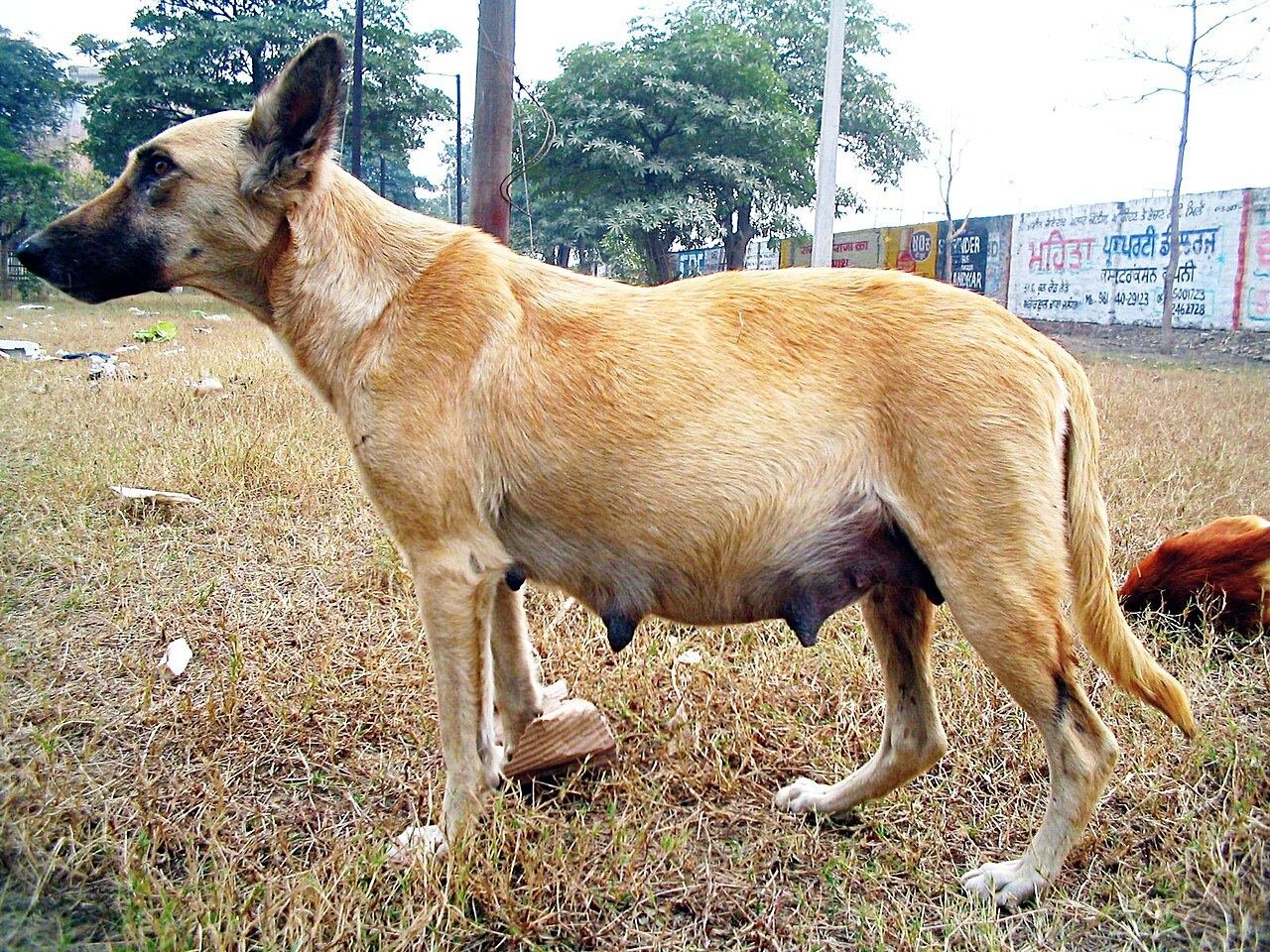
How Long Are Dogs Pregnant? Signs, Stages, and Care
If your dog may be pregnant, the first thing you want to know is the date. How long are dogs pregnant? About nine weeks, or 63 days from ovulation. That short window means each week brings big changes. This guide walks you through the whole timeline in plain words.
A pregnant dog is called a dam. Most dams handle birth on their own with little help. Your job is to feed her well, keep her calm, and know when to call the vet. Read on to learn the signs, the stages, and the care that keeps both mother and pups safe.
Key Takeaways
- Dogs stay pregnant for about 63 days from ovulation, or 58 to 72 days from the first mating.
- An ultrasound at about day 28 is the surest way to confirm it.
- Keep her food the same for six weeks, then raise it bit by bit.
- A rectal temperature below 99 degrees means labor should start within a day.
- Call the vet fast for hard straining with no pup, green discharge, or a weak dam.
How Long Are Dogs Pregnant?
The short answer is about 63 days. That count starts at ovulation, the day the eggs release. Counted from the first mating, the range is wider: 58 to 72 days. That is because mating and ovulation rarely fall on the same day. Sperm can live in the female for days. Eggs need two to three days to ripen before they can join with sperm.
Vets who time a breeding with blood tests can date it best. Whelping comes about 64 to 66 days after the LH surge. From ovulation itself, the count is about 63 days. The American Kennel Club gives the same range. It is about 63 days on average, and 58 to 72 days from the first mating.
So what does that mean for you? If you know the mating date, count 63 days and mark a window of a week each side. If your vet timed the breeding, trust the vet date.
Dog Pregnancy Timeline
| Stage | Days | What happens |
|---|---|---|
| First stage | 1 to 21 | Eggs meet sperm. The young pups settle into the womb at about day 18 to 23. Few signs show. |
| Second stage | 21 to 42 | Pups take shape. Eyelids form by day 32, toes by day 35. Teats may pink up. |
| Third stage | 42 to 63 | Most growth happens now. Belly swells. Bones and coat form by day 45. Pups are nearly full grown by day 58. |
First Stage: Days 1 to 21
Little shows in the first three weeks. She may act much as usual. Some dogs eat less for a few days. A few vomit once or twice. Vets call this morning sickness. It should pass on its own. If she keeps vomiting or loses weight, call your vet.
Inside, the eggs meet sperm and start to split. The young pups travel to the womb and settle in at about day 18 to 23. You cannot see or feel this. An ultrasound before day 21 can miss the pregnancy, so vets wait till later to scan.
Second Stage: Days 21 to 42
The pups take shape in these weeks. Their eyelids form by about day 32. Their toes form by about day 35. Her teats may grow and turn pink. This is called pinking up. Her appetite may dip, then come back strong.
This is the best time to confirm the pregnancy. A blood test for the hormone relaxin can turn positive from about day 22 to 27. An ultrasound at about day 28 shows the pups and their heartbeats. That scan is the surest check at this stage.
Third Stage: Days 42 to 63
Most of the growth happens now. Her belly grows large and firm by about day 45 to 50. Their nails form by day 40. Their coat and bones form by about day 45. By day 58 the pups are nearly full grown.
Her appetite rises a lot in these weeks. She may need up to one and a half times her normal food by the end. Feed small meals often. Her belly is full of pups, so there is little room for food.
Early Signs Your Dog Is Pregnant
Early signs are easy to miss. Many dogs show little in the first weeks. The signs build as the weeks pass. If you see a few of them together, a vet test can confirm it.
- Teats that grow and turn pink in the first month.
- A short bout of morning sickness at about week three or four.
- A belly that grows rounder from about week six.
- More food at each meal, and weight gain that shows.
- Less energy, and less interest in long walks.
- Nesting late in the pregnancy. She may dig at blankets and seek a quiet spot.
One sign alone proves nothing. A false pregnancy can cause the same signs. It starts about four to nine weeks after a heat. The signs are swollen teats, milk, and nesting, but no pups inside. Only a vet test can tell the two apart.
How Your Vet Can Confirm a Pregnancy

Your vet has four ways to confirm a pregnancy. Each one works best at a set time. A vet visit also checks the mother for worms and health problems. Tell the vet the mating date if you know it.
- Relaxin blood test. This hormone shows from about day 22 to 27. A positive result means she is pregnant.
- Feel by hand. A vet can feel small swellings in the womb at about three to four weeks.
- Ultrasound. A scan at about day 28 shows live pups and their heartbeats.
- X-ray. A scan after day 55 shows the skeletons and can count the pups.
The X-ray count matters most near the end. If you know how many pups to expect, you know when birth is done. A pup left inside can put the mother at risk. Ask your vet to book the X-ray for after day 55.
How to Care for a Pregnant Dog
Pregnant dogs need little fuss. They do need good food and a calm home. Keep her routine steady. Let her set the pace on walks. She should stay on her normal shots and worming plan unless your vet says otherwise.
Food for a Pregnant Dog
Keep her food the same for the first six weeks. Her needs do not rise yet. A growth food, made for puppies, is a good pick from the start. After week six, raise the food bit by bit. She may need 20 to 30 percent more. For a big litter, it can rise to one and a half times her normal amount. Feed small meals through the day.
Do not give calcium pills unless your vet tells you to. Extra calcium in pregnancy can raise the risk of a sharp calcium drop after birth. That drop can cause shaking, stiff legs, and fits. It needs emergency care. Fresh water should sit near her food and her bed at all times.
Exercise and Rest
Keep her walks normal in the first weeks. Let her decide how far she wants to go. Do not push her to run or jump. In the last weeks she will slow down on her own. Give her a soft bed in a quiet spot. Rest is part of the job now.
Meds and Shots
Some common meds are not safe in pregnancy. Ask your vet before you give her any drug, flea product, or worming dose. A vet visit early in the pregnancy can catch problems while there is still time to act.
Getting the Whelping Box Ready
Set up the whelping box at least a week before the due date. Pick a quiet, warm room. The box should be big enough for her to lie flat and turn round. The sides should be low so she can step in and out with ease. Line it with washable bedding and old towels.
Let her sniff the box and sleep in it before the big day. A box she knows feels safe. Keep the room warm and free of drafts.
- A whelping box with low sides, lined with washable bedding.
- Clean towels and old newspaper for the birth.
- A warm room, free of drafts, where she can rest undisturbed.
- Your vet number and the nearest emergency clinic number.
Signs Your Dog Is About to Give Birth
The clearest sign is her temperature. Take it twice a day in the last week. A normal dog runs at 100 to 102.5 degrees. A drop below 99 degrees means labor should start within 24 hours. Not every dog shows a clear drop, so watch the other signs too.
She may stop eating in the last day, though not all dogs do. She will often go to a quiet corner and scratch or dig to make a bed. She may pant, shiver, pace, or seem restless. These signs can last up to a day. They are part of the first stage of labor.
What Happens During Whelping
Whelping has three stages. In the first stage the birth canal opens. She may pant, pace, and dig. This stage lasts about six to 12 hours. In the second stage she strains and pushes each pup out. A pup takes about 10 to 15 minutes to pass once straining starts. Pups come head first or tail first. Both are normal.
In the third stage she passes the afterbirth for that pup. The stages repeat for each pup. The whole birth can take a few hours. Slim-headed breeds may finish in two to three hours. Larger litters take longer. Keep watch till the last pup is out. Count pups against the X-ray number if you have one.
Call your vet at once if she strains hard for more than 30 minutes with no pup. Call too if a pup stays stuck for eight to 10 minutes. Call also if she has a temperature over 103 degrees, or if bloody fluid shows before the first pup. Call if more than two hours pass between pups. Call if 24 hours pass after the temperature drop with no labor at all.
After the Puppies Arrive

Once the last pup is out, check that each one is warm and dry. Clear the nose and mouth if a pup snuffles. Swap wet towels for dry ones. The box should stay warm, about 85 degrees, for the first weeks. Heat only part of the box. Pups must be able to crawl away from the heat.
Each pup should nurse in the first hours. The first milk, called colostrum, is rich in cover against germs. If a pup will not nurse, or the mother pushes one away, call your vet. A weak pup fades fast. Keep feeding the mother her growth food while she nurses.
Some reddish-brown fluid from the mother is normal for three to eight weeks after birth. Heavy bleeding, foul smell, or a weak mother means a vet visit. When the pups are about eight weeks old, they can move to solid food. Ask your vet about the best time to spay the mother once the pups are weaned.
When to Call the Vet
Most dog births go well with no help. But some signs mean you should not wait. Call your vet or an emergency clinic if you see any of these.
- Hard straining for more than 30 minutes with no puppy.
- A puppy stuck in the birth canal for more than eight to 10 minutes.
- Green, black, bloody, or foul-smelling fluid before the first puppy.
- More than two hours between puppies.
- A temperature over 103 degrees, or no labor 24 hours after the temperature drop.
- Weakness, collapse, heavy bleeding, or strong pain.
- After birth: shaking, stiff legs, or fits. This can mean a calcium drop.
How long are dogs pregnant for?
Dogs are pregnant for about 63 days from ovulation. Counted from the first mating, the range is 58 to 72 days. Vets who time a breeding with blood tests can date it best. Whelping comes about 64 to 66 days after the LH surge.
How can I tell if my dog is pregnant?
Watch for teats that grow and turn pink. A short bout of morning sickness may show. Her belly swells from about week six. She may eat more and tire faster. A vet can confirm it with a relaxin blood test from day 22. An ultrasound at day 28 shows the pups. An X-ray after day 55 can count them.
How many puppies will my dog have?
Litter size varies a lot by breed. Small dogs tend to have fewer pups than large dogs. An X-ray after day 55 can count the pups, so you know when birth is done.
Can you feel puppies in a pregnant dog?
A vet can feel small swellings in the womb at about three to four weeks. Do not press her belly at home. A rough touch can harm the pups. Let your vet do the exam, and use an ultrasound for a sure answer.
What should I feed a pregnant dog?
Keep her normal food for the first six weeks. A growth food made for puppies is a good pick. After week six, raise the food bit by bit, up to one and a half times her normal amount. Feed small meals often, and skip calcium pills unless your vet says so.
How do I know when my dog is about to give birth?
Take her temperature twice a day in the last week. A drop below 99 degrees means labor should start within 24 hours. She may stop eating, dig at her bed, pant, and pace. Call your vet if labor does not follow the drop.
How long does it take a dog to give birth?
It varies by breed and litter size. Slim-headed breeds may finish in two to three hours. Each pup takes about 10 to 15 minutes to pass once straining starts. Call your vet if more than two hours pass between pups.
Is it safe to exercise a pregnant dog?
Yes, in most cases. Keep her walks normal and let her set the pace. Do not push her to run or jump. In the last weeks she will slow down on her own.
Can a dog have a false pregnancy?
Yes. A false pregnancy can cause swollen teats, milk, nesting, and mothering acts, with no pups inside. It often starts four to nine weeks after a heat. Only a vet test can tell it apart from a real pregnancy.
When can a mother dog be spayed after birth?
Ask your vet, but most vets spay once the pups are weaned, at about eight weeks. She can come into heat again soon after birth. Keep her away from whole male dogs until the spay.
So how long are dogs pregnant? About nine weeks, start to finish. Know the signs, feed her well, set up a quiet whelping box, and watch her through labor. Most dams do the rest on their own. When in doubt, call your vet early. A quick call beats a late one.