Hypoallergenic Cats: 12 Best Breeds for Allergy Sufferers (With Prices)
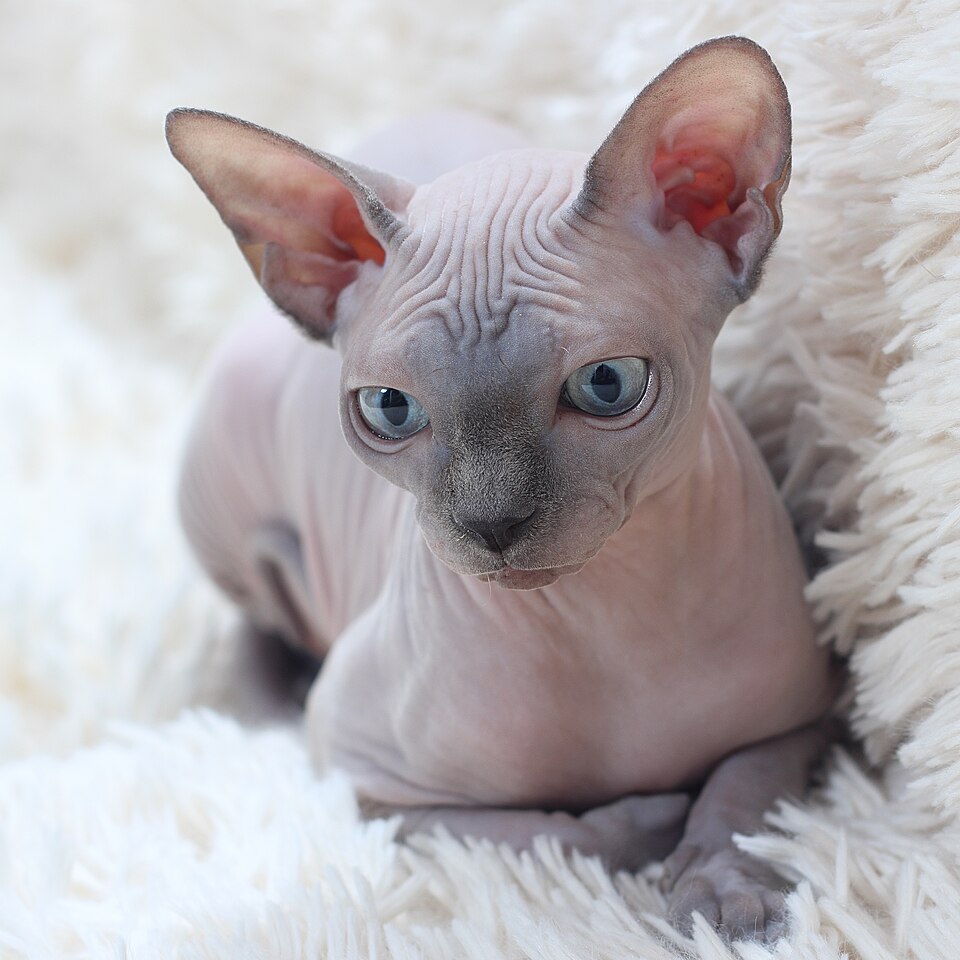
No cat is 100 percent free of allergens. Every cat makes a protein called Fel d 1. This protein is what makes people sneeze, itch, and wheeze. Some breeds make less of it. If you love cats but allergies hold you back, a hypoallergenic cat may be the answer. This guide lists the 12 best breeds, with real US prices, a comparison table, and a short quiz.
Key takeaways
- No cat is fully free of allergens, but some breeds make far less Fel d 1.
- The Siberian, Balinese, and Russian Blue rank lowest for allergen levels.
- Breeder prices run from about $400 to $3,000 in the US.
- A shelter cat costs $50 to $200 to adopt.
- Test a specific cat before you commit, and keep your bedroom free of cats.
What Is a Hypoallergenic Cat?
A low-allergen breed makes less allergen than most cats. The word means below normal, not zero. A low-allergen breed can still set off your symptoms. It just does so less often. Three things make a breed easier for allergy sufferers. First, it makes less Fel d 1. Second, it sheds less fur. Third, it grooms less, so less saliva ends up on its coat.
What Causes Cat Allergies? The Fel d 1 Protein
Cat allergies come from a protein called Fel d 1. Cats make it in their saliva and in the oil glands of their skin. When a cat grooms, it spreads saliva over its fur. Tiny flakes of skin, called dander, carry the protein into the air. You breathe it in. Your immune system treats it as a threat. That is what makes your eyes itch and your nose run. Fel d 1 stays in the air for hours.
12 Best Hypoallergenic Cat Breeds (With Prices)
Here is the full list. The table comes first so you can compare at a glance. Allergy level means how much Fel d 1 the breed tends to make. Price means what a US breeder typically charges for a pet kitten.
| Breed | Allergy Level | Typical Price Range | Shedding | Grooming | Lifespan | Best For |
|---|---|---|---|---|---|---|
| Siberian | Low | $1,200 to $2,500 | Medium | Weekly brushing | 10 to 18 years | Families, first-time owners |
| Balinese | Low | $1,000 to $1,500 | Low | Weekly brushing | 12 to 20 years | Talkative, social homes |
| Russian Blue | Low | $800 to $2,000 | Low | Weekly brushing | 10 to 20 years | Quiet homes, single owners |
| Bengal | Medium | $1,500 to $3,000 | Low | Weekly brushing | 12 to 16 years | Active families, play |
| Sphynx | Medium | $1,500 to $3,000 | None | Weekly baths | 8 to 14 years | Warm homes, hands-on owners |
| Devon Rex | Low | $1,500 to $3,000 | Low | Minimal, occasional bath | 9 to 15 years | Apartments, playful homes |
| Cornish Rex | Low | $800 to $2,000 | Low | Minimal, occasional bath | 11 to 15 years | Apartments, active homes |
| Oriental Shorthair | Medium | $600 to $1,500 | Low | Weekly brushing | 12 to 15 years | Talkative, social homes |
| Javanese | Low | $800 to $1,500 | Low | Weekly brushing | 10 to 15 years | Social homes, families |
| Siamese | Medium | $400 to $1,000 | Low | Weekly brushing | 12 to 20 years | Talkative, loyal homes |
| LaPerm | Low | $800 to $1,500 | Low | Weekly brushing | 10 to 15 years | Gentle, quiet homes |
| Ocicat | Medium | $800 to $1,500 | Low | Weekly brushing | 12 to 18 years | Active families, dog-like cats |
1. Siberian
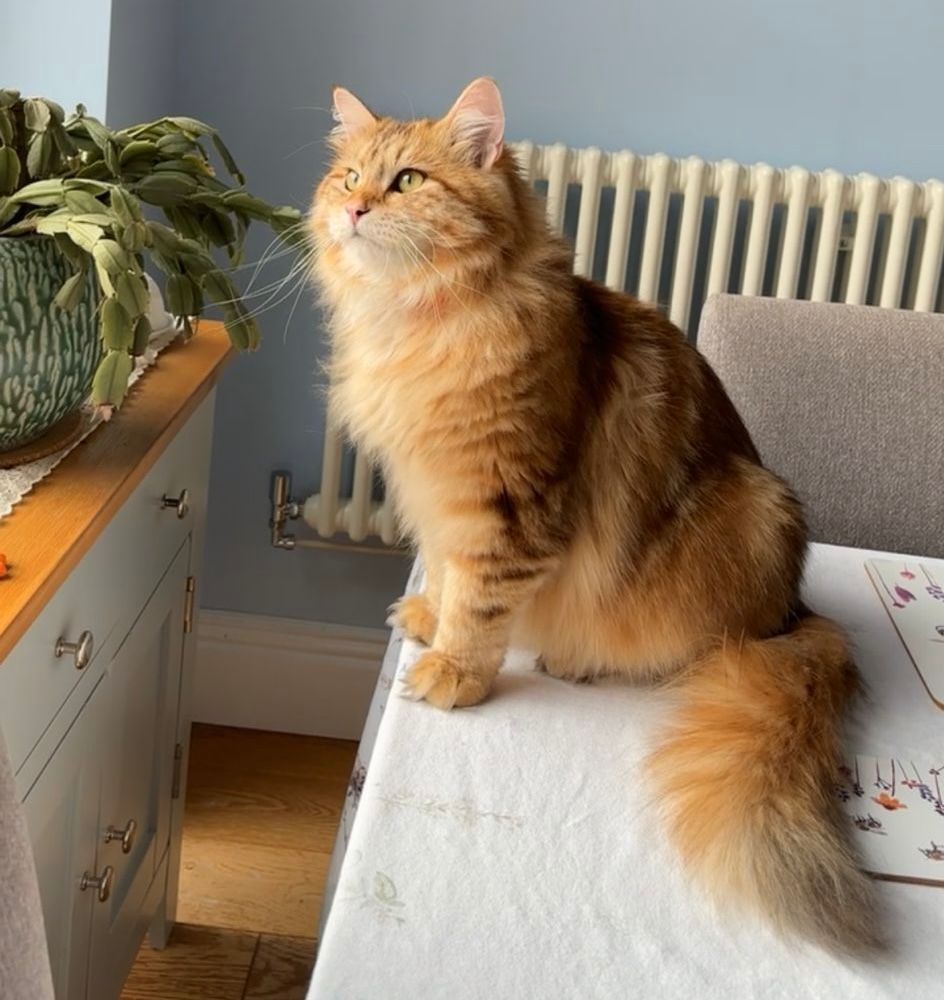
The Siberian is the best-known low-allergen breed. It is the only breed with real research behind it. Many Siberians make far less Fel d 1 than other cats. It weighs 8 to 17 pounds and lives 10 to 18 years. It is loyal, calm, and good with kids. A breeder kitten costs $1,200 to $2,500.
2. Balinese
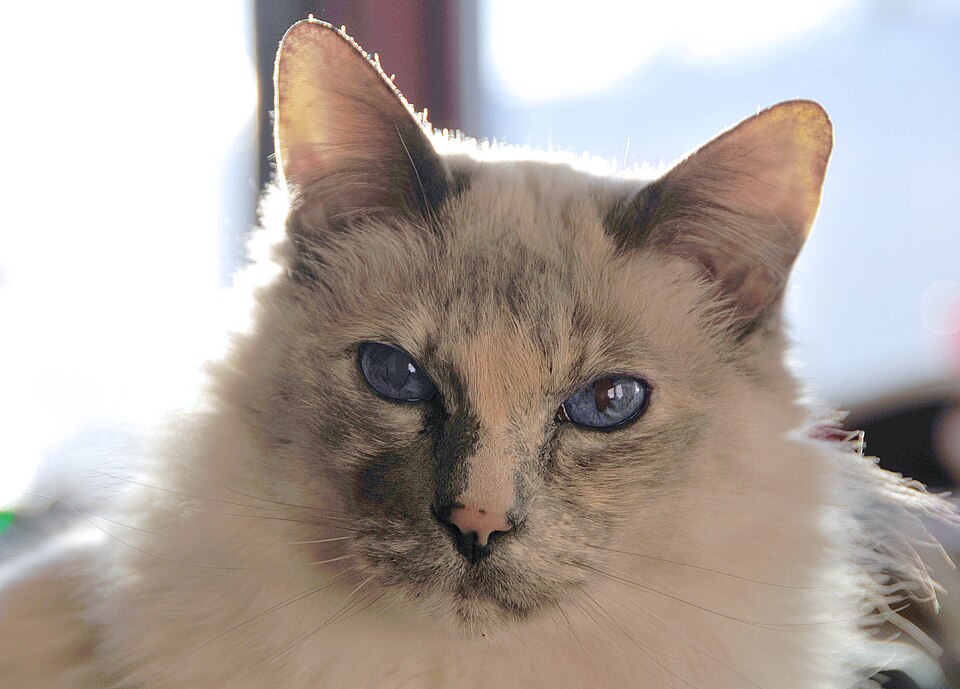
The Balinese looks like a long-haired Siamese. It has a silky single coat and bright blue eyes. It makes less Fel d 1 than most breeds and sheds very little. It weighs 5 to 10 pounds and lives 12 to 20 years. It is smart, chatty, and social. A breeder kitten costs $1,000 to $1,500.
3. Russian Blue
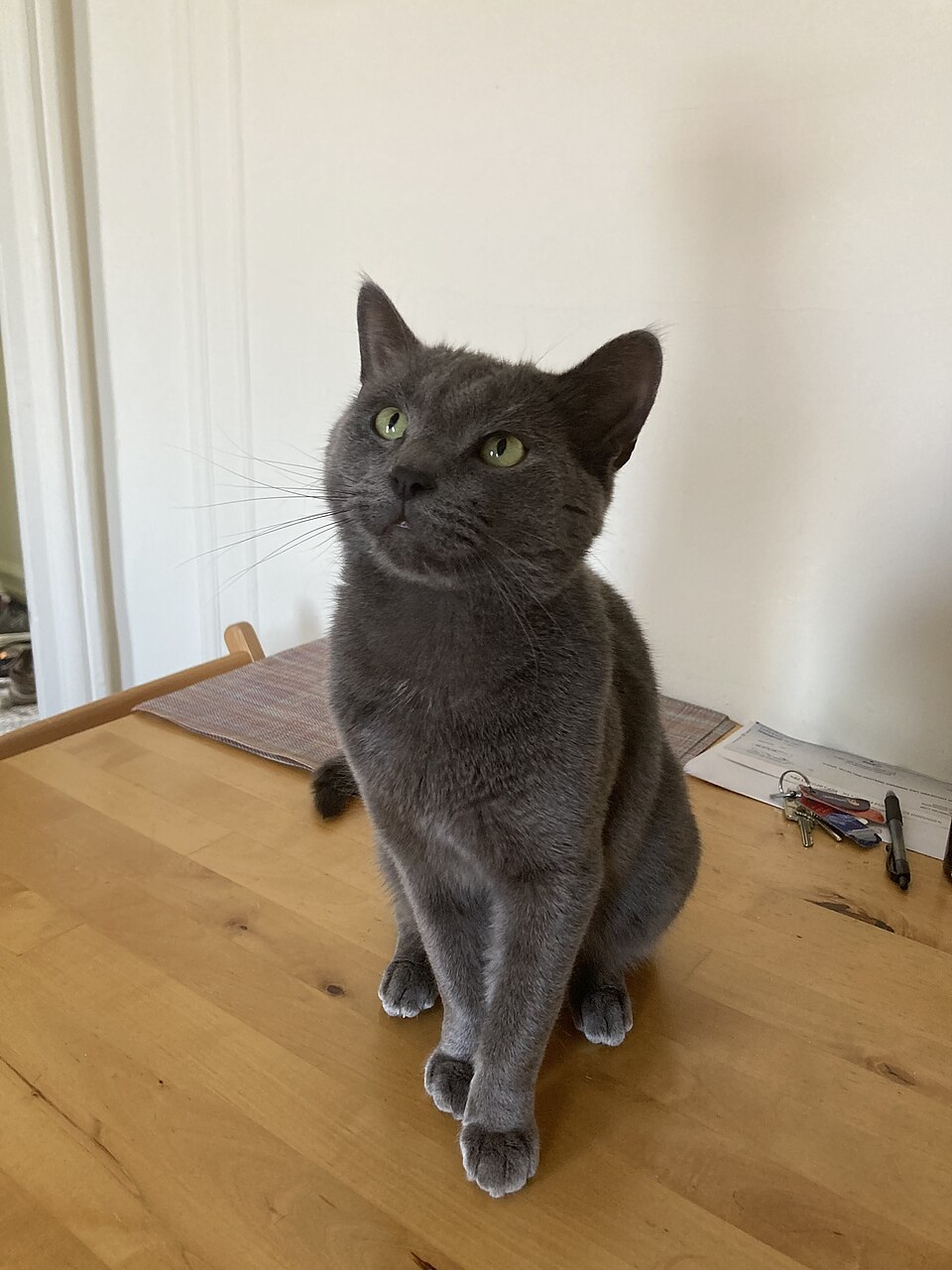
The Russian Blue has a dense grey-blue coat and green eyes. It makes less Fel d 1 than most cats. Its double coat traps dander close to the skin. It weighs 7 to 12 pounds and lives 10 to 20 years. It is quiet, shy, and loyal. A breeder kitten costs $800 to $2,000.
4. Bengal
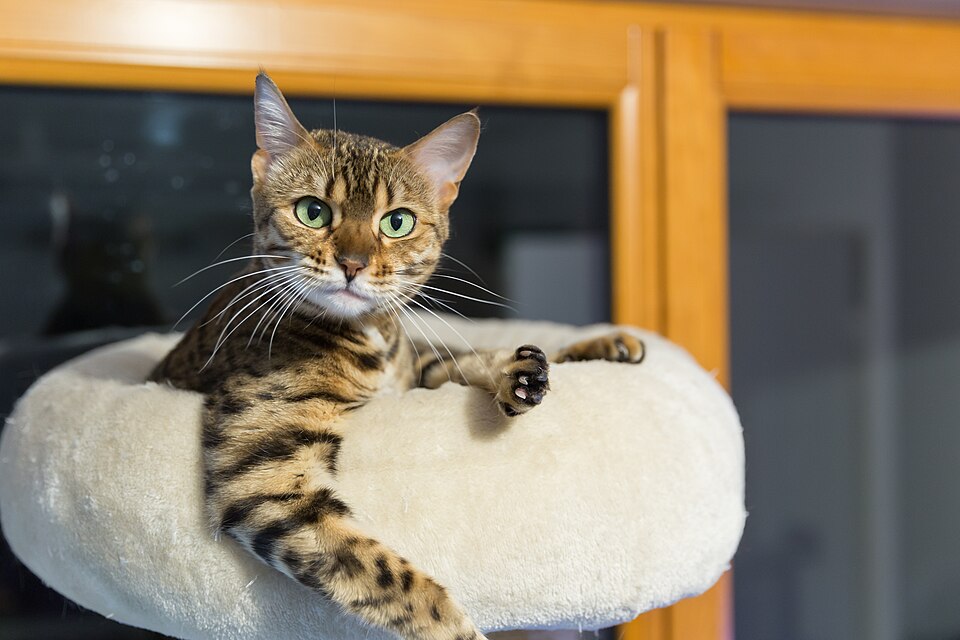
The Bengal looks wild, with a spotted coat like a small leopard. It sheds very little. It still makes a fair amount of Fel d 1. It weighs 8 to 15 pounds and lives 12 to 16 years. It is loud, bold, and very active. A breeder kitten costs $1,500 to $3,000.
5. Sphynx
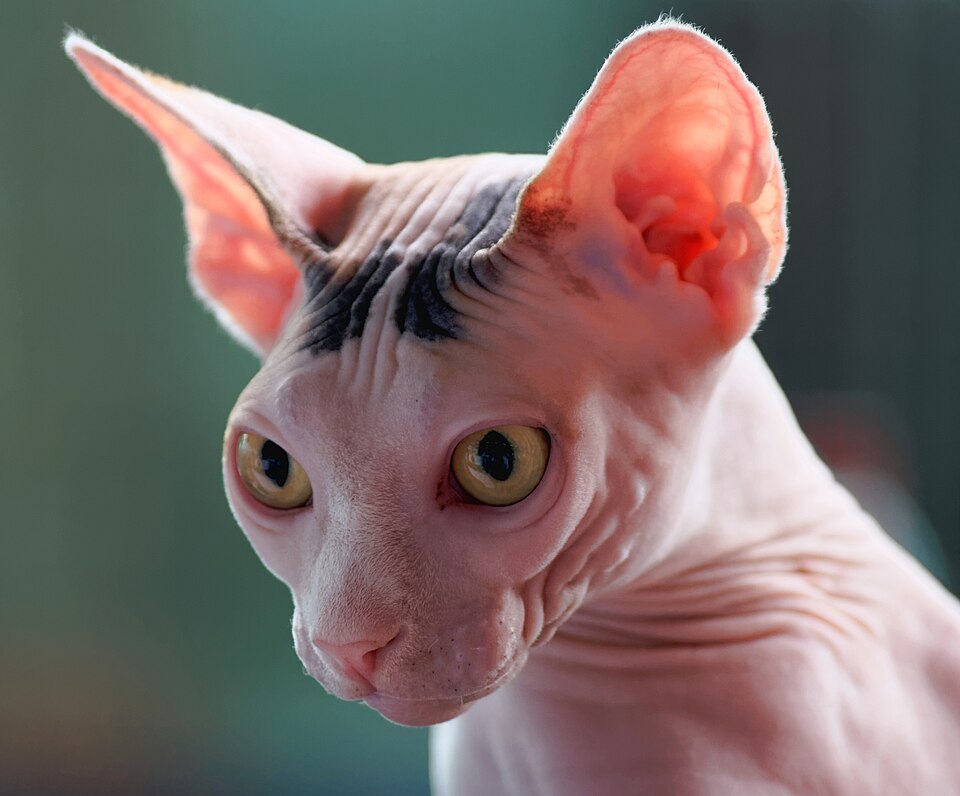
The Sphynx has no fur at all. No fur does not mean no allergies. The Sphynx still makes Fel d 1 in its skin oils. It needs a bath once a week to wash the oil away. It weighs 6 to 12 pounds and lives 8 to 14 years. A breeder kitten costs $1,500 to $3,000.
6. Devon Rex
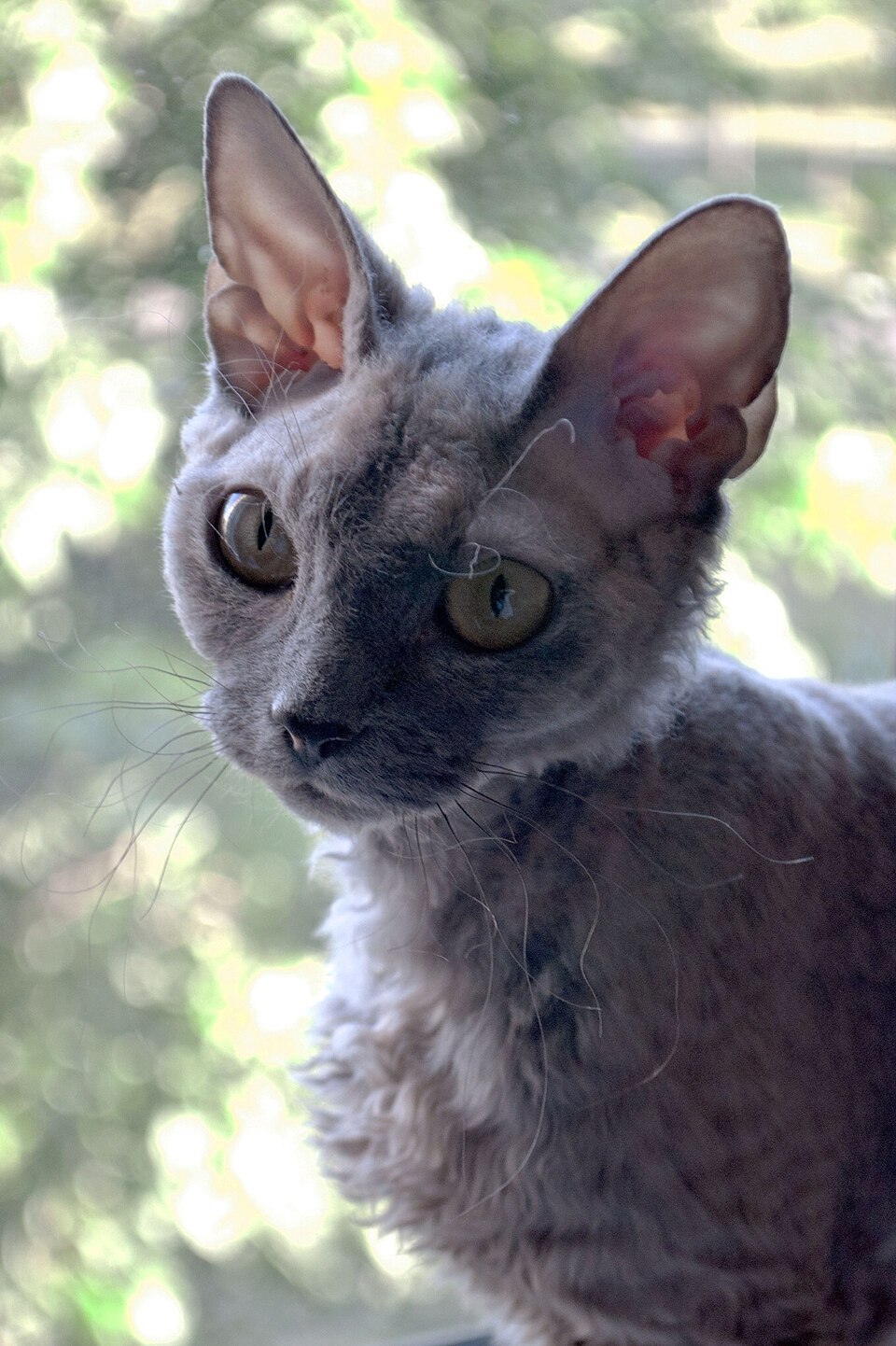
The Devon Rex has huge ears, a small face, and a soft wavy coat. It sheds very little. It makes less Fel d 1 than most breeds. It weighs 6 to 9 pounds and lives 9 to 15 years. It is playful, silly, and very social. A breeder kitten costs $1,500 to $3,000.
7. Cornish Rex

The Cornish Rex has a soft curly coat and a long, lean body. It sheds very little. It makes less Fel d 1 than most breeds. It weighs 6 to 10 pounds and lives 11 to 15 years. It is fast, smart, and full of energy. A breeder kitten costs $800 to $2,000.
8. Oriental Shorthair
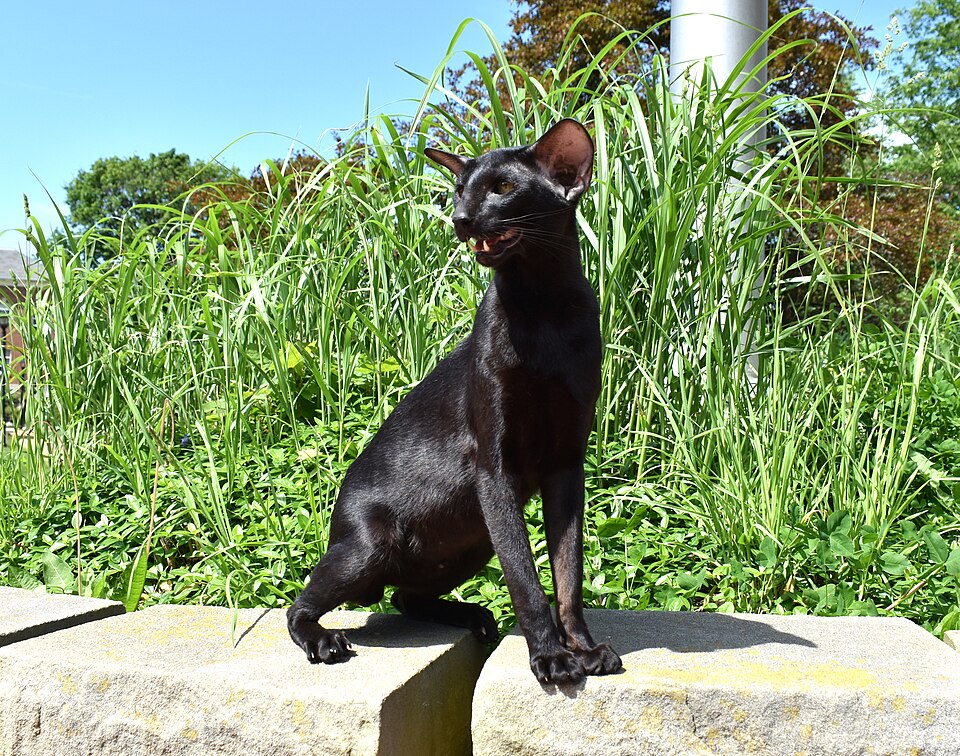
The Oriental Shorthair is a close cousin of the Siamese. It has a sleek body, big ears, and a short fine coat. It sheds very little. It weighs 7 to 12 pounds and lives 12 to 15 years. It is loud, smart, and very social. A breeder kitten costs $600 to $1,500.
9. Javanese
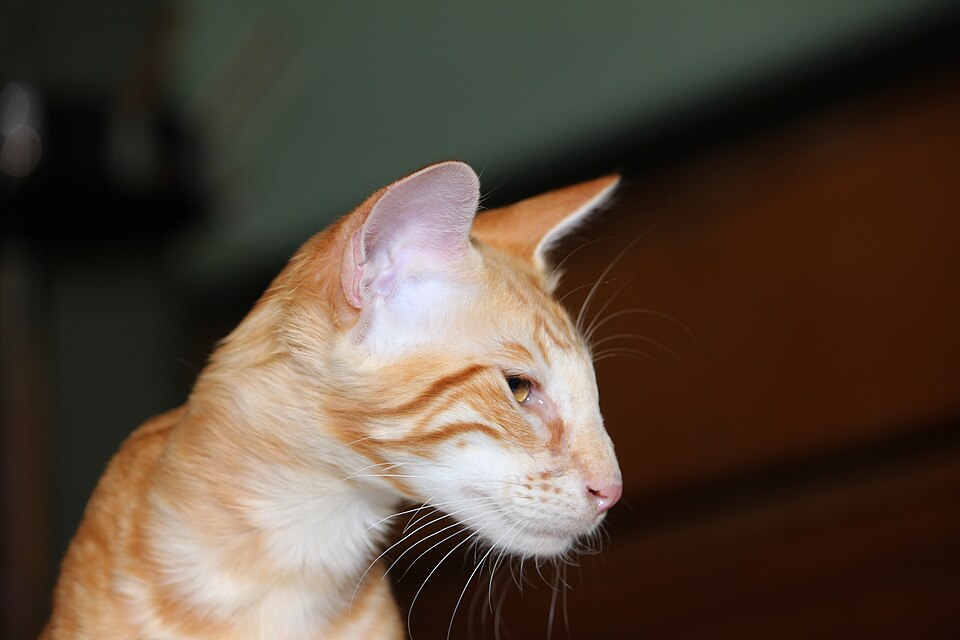
The Javanese is a long-haired cousin of the Siamese and the Balinese. It sheds very little. It makes less Fel d 1 than most breeds. It weighs 5 to 10 pounds and lives 10 to 15 years. It is smart, vocal, and loyal. A breeder kitten costs $800 to $1,500.
10. Siamese

The Siamese is one of the oldest and best-known breeds. It sheds very little. It still makes a fair amount of Fel d 1. It weighs 8 to 12 pounds and lives 12 to 20 years. It is loud, loyal, and very social. A breeder kitten costs $400 to $1,000.
11. LaPerm

The LaPerm has a soft curly coat. It sheds very little. It makes less Fel d 1 than most breeds. It weighs 6 to 10 pounds and lives 10 to 15 years. It is gentle, quiet, and loving. It is good with kids and with other pets. A breeder kitten costs $800 to $1,500.
12. Ocicat
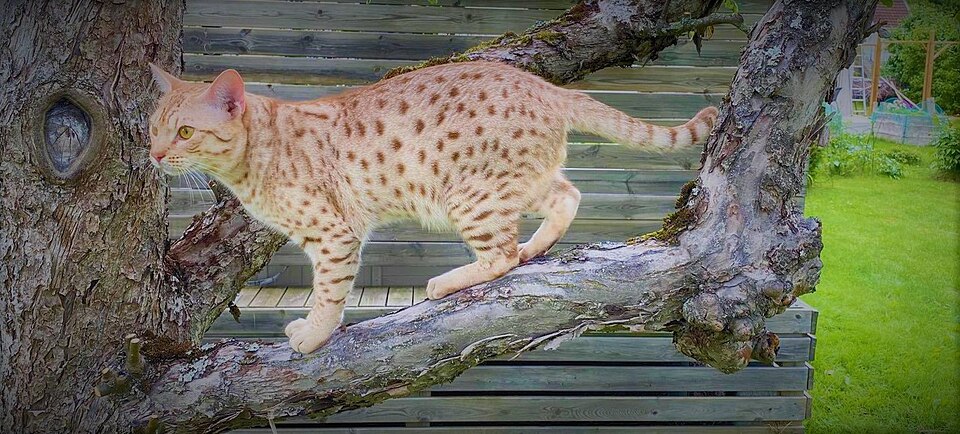
The Ocicat looks wild but it is a fully domestic cat. It sheds very little. It still makes a fair amount of Fel d 1. It weighs 7 to 14 pounds and lives 12 to 18 years. It is smart, bold, and very social. A breeder kitten costs $800 to $1,500.
Find the Right Cat for You (Quiz)
Not sure which breed fits you best? Take this short quiz. It asks five quick questions about your allergies, your budget, your home, your kids, and your grooming time. Then it shows the breeds that match you best.
Find Your Match
Answer 5 quick questions. We will show the 3 breeds that fit you best.
Which Low-Allergen Cat Is Best for Your Allergy Level?
Your allergy level should pick your breed, not the other way round. If your allergies are mild, you have the most choice. A medium-allergy-level breed can work. The Bengal, Siamese, Oriental Shorthair, and Ocicat are good picks. If your allergies are moderate, pick a low-allergy-level breed. The Siberian, Balinese, Russian Blue, Devon Rex, Cornish Rex, Javanese, and LaPerm are the best bets. If your allergies are severe, be careful. The Siberian is the safest bet.
How to Test a Cat Before You Bring It Home
Never buy a cat on a photo alone. Test the exact cat first. A breed name is a guide, not a promise. Each cat makes its own level of Fel d 1. See an allergist first. Visit the breeder or shelter more than once. Spend two or three hours with the exact cat. Sit close to it and pet it. Meet the adult cat, not just the kitten. A shelter cat is a great pick too, and adoption costs $50 to $200. Skip a trial at home. Fel d 1 lingers in a home for weeks after a cat leaves. A trial gives you no clean answer.
How Much Does a Low-Allergen Cat Cost?
A breeder kitten costs from about $400 to $3,000, based on the breed. The Siamese and the Oriental Shorthair sit at the low end. The Siberian, the Bengal, and the Sphynx sit at the high end. A shelter cat costs $50 to $200 to adopt in most US shelters. The yearly cost of a cat is about $800 to $1,500 in the US. A cat lives 10 to 20 years.
How to Live With a Cat When You Have Allergies
A low-allergen breed helps, but your home habits matter just as much. Brush your cat once a week, outside if you can. Put a HEPA air purifier in the room where you spend the most time. Run it all day. Keep your bedroom free of cats. Wash your hands after you pet the cat. Purina Pro Plan LiveClear is a cat food that lowers Fel d 1 in a cat’s saliva. Ask your vet if it fits your cat.
When to See a Doctor About Cat Allergies
See a doctor if you wheeze, cough a lot, or feel tight in your chest. See a doctor if your asthma gets worse around cats. See a doctor if your eyes swell shut. If you have asthma, talk to your doctor before you bring any cat home.
Are Any Cats 100% Hypoallergenic?
No. Every cat makes Fel d 1. No breed makes zero. A low-allergen breed makes less, but it still makes some. If a breeder tells you a cat is 100 percent allergy-free, do not believe it.
Which Hypoallergenic Cat Breed Is Best for Severe Allergies?
The Siberian is the best bet for severe allergies. It has the most research behind it. Many Siberians make far less Fel d 1 than other cats. Test the exact cat first.
How Much Do Hypoallergenic Cats Cost?
A breeder kitten costs from about $400 to $3,000 in the US, based on the breed. The Siamese and the Oriental Shorthair cost the least. The Siberian, the Bengal, and the Sphynx cost the most.
Are Female Cats Better for Allergy Sufferers?
Yes, in most cases. Female cats make less Fel d 1 than male cats. Neutered males make less than intact males. A female kitten from a low-allergen breed is often the gentlest choice.
Do Hairless Cats Still Cause Allergies?
Yes. A hairless cat still makes Fel d 1 in its skin oils. The Sphynx has no fur to trap the oil, so the oil sits on its skin.
Can You Adopt a Hypoallergenic Cat From a Shelter?
Yes. Some shelters list low-allergen breeds. A rescue cat is often an adult, so you can test the real thing. Adoption costs $50 to $200 in most US shelters.
What Is the Most Hypoallergenic Cat Breed?
The Siberian is the most hypoallergenic breed. It has the most research behind it. Many Siberians make far less Fel d 1 than other cats. The Balinese and the Russian Blue are close behind.
Can You Develop a Tolerance to Cat Allergies?
Some people do get used to their own cat over time. Their symptoms fade after weeks or months. This does not happen for everyone. It is not safe to count on it.
Is the Russian Blue Really Hypoallergenic?
Yes, mostly. The Russian Blue makes less Fel d 1 than most cats. Its dense double coat traps dander close to the skin. It is a good pick for mild and moderate allergies.
Can I Get a Cat if I Have Asthma?
It depends on how bad your asthma is. A cat can make asthma worse. Fel d 1 is a top trigger for asthma. Talk to your doctor before you bring any cat home.
A low-allergen breed can change life for an allergy sufferer. Use the table to compare breeds. Take the quiz to narrow your pick. Test the exact cat before you commit.
Related reading: American Bulldog Breed Guide: Size, Temperament, Health and Cost and Can Dogs Have Blueberries? Safe Amounts and Risks.