Ear Mites in Cats: Signs, Treatment, and Prevention

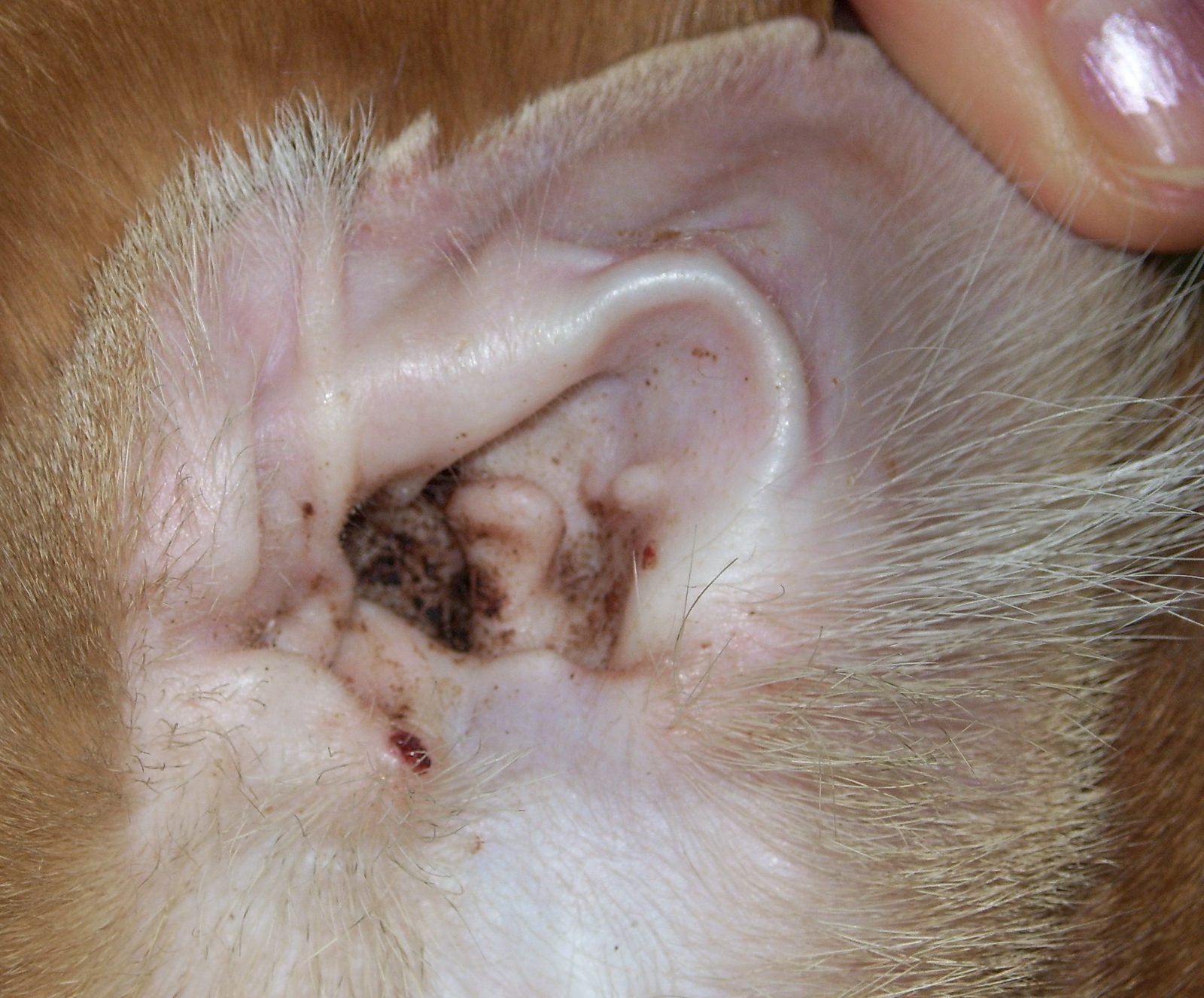
Ear mites in cats are tiny parasites that live in the ear canal. They feed on wax and skin debris, and they make the ear itch hard. The classic sign is dark, crumbly debris that looks like coffee grounds. If your cat keeps scratching one ear, mites are high on the list.
The good news is that ear mites are one of the easiest cat problems to fix. A vet visit, a gentle ear clean, and one dose of the right product will clear most cases. The catch is that eggs survive treatment, and other pets can carry mites too. This guide walks you through the signs, the treatment, and how to stop them coming back.
Key Takeaways
- Dark, coffee-ground debris plus scratching and head shaking point to ear mites.
- A vet should confirm it with an otoscope or an ear swab.
- One dose of a prescription spot-on kills adults, but full clearance takes about a month.
- Treat every pet in the house on the same day.
- Never use dog products on a cat, and skip tea tree oil, peroxide, and vinegar.
What Are Ear Mites in Cats?
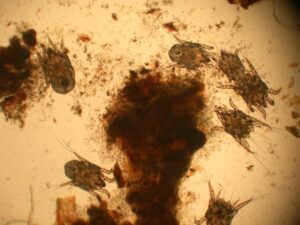
The ear mite that infests cats is Otodectes cynotis. It is a surface mite, about the size of a pinhead. Under a microscope it shows an oval body with eight legs. It lives mostly in the ear canal, where it feeds on wax, skin oils, and cell debris.
The full life cycle takes about three weeks, from egg to breeding adult. Adult mites live for around two months. That three-week cycle is why short treatment courses so often fail. Eggs hatch after the first dose, so a second dose is needed.
Signs Your Cat Has Ear Mites

The signs come from the itch and the debris the mites leave behind. Early signs can be mild, so check both ears if your cat starts to fuss with her head. Most cats show a mix of the signs below.
- Scratching at the ears, often with a hind paw, and frequent head shaking.
- Dark brown or black, dry, crumbly debris in the ear canal.
- Ears held flat, or flicking and twitching.
- Redness, scabs, and hair loss around the ears and face from scratching.
- A musty or sour smell from the ear.
- A swollen, fluid-filled ear flap, caused by hard head shaking.
- Head tilt, poor balance, or dullness in severe cases.
One sign alone proves nothing. A cat can scratch for other reasons, and dirty ears are not always mites. If you see dark debris plus scratching and head shaking together, book a vet visit.
How Do Cats Get Ear Mites?
Ear mites spread by direct contact. They do not jump or fly. They crawl from one animal to another during grooming, play, nursing, or sleep. Ear mites are very contagious, so if one pet has them, assume the others are exposed.
- Kittens from their mother. Mites are very common in kittens, which catch them in the first weeks of life.
- Outdoor and stray cats. Contact with other outdoor cats is the classic route.
- Other household pets. Dogs and ferrets carry the same mite, so a new puppy can bring them in.
- Boarding, grooming, and shelters. Any place where animals share close space can spread mites.
How would an indoor cat get ear mites? Almost always from another animal coming in. A new pet or a dog that goes outside can bring mites home.
Ear Mites vs Ear Infection vs Yeast in Cats
Many cats with dirty ears do not have ear mites. Yeast and bacteria cause dirty ears too, and they need different medicine. The table below shows how vets tell them apart before a swab confirms it.
| Problem | What the debris looks like | Smell | Typical cat |
|---|---|---|---|
| Ear mites | Dry, dark brown to black, crumbly, like coffee grounds | Mild | Kittens, rescues, multi-pet homes |
| Yeast | Greasy, brown, waxy | Sweet or musty | Adult cats, often with allergies |
| Bacterial infection | Yellow, cream, or bloody, sometimes wet | Strong, foul | Any age, often after scratching |
| Normal wax | Light brown, thin, slightly oily | None | Healthy cats |
Hairless cats, like the Sphynx, make a lot of normal brown wax. Mites are easy to miss in them, or wrongly assumed. When in doubt, a vet swab settles it.
How Vets Diagnose Ear Mites in Cats
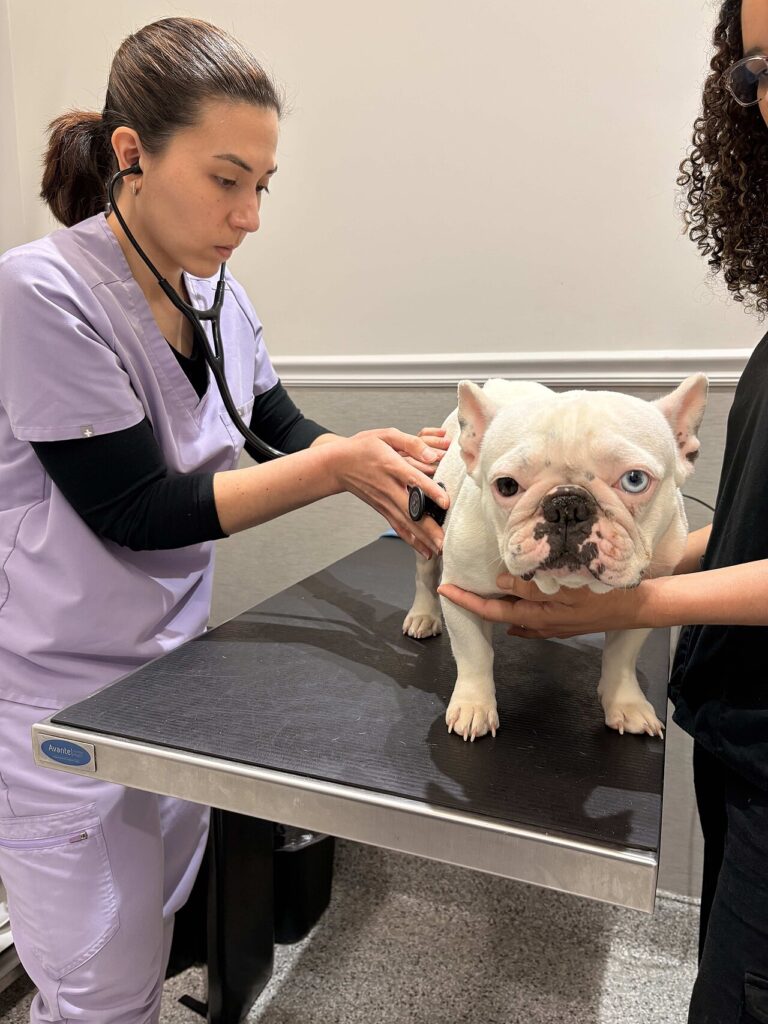
A vet visit is quick, and it settles the question. Your vet will look into the ear canal with an otoscope. Live mites often show up as moving white specks on dark debris. Your vet will also take a swab and look at it under a microscope. That test confirms mites and eggs, and it checks for bacteria or yeast.
- Look in the ear with an otoscope for moving white specks.
- Take an ear swab and check it under the microscope.
- Check the eardrum before drops, since some drugs must not be used if it is torn.
Getting the diagnosis right matters. Mites, yeast, and bacteria need different medicine. Treating for mites when the real problem is yeast wastes time while the ear gets worse.
Ear Mite Treatment for Cats
Treatment has two goals. Kill the mites through a full life cycle, and settle the sore ear. The best product depends on your cat’s age, whether infection is present, and how easy she is to handle.
Prescription Treatment
Most vets reach for a monthly spot-on first. It is one dose on the skin between the shoulder blades. It needs no ear handling, and it treats the whole body. Your vet may discuss one of these.
- Revolution and Revolution Plus. Selamectin kills ear mites, and it can be used from 8 weeks of age.
- Advantage Multi. Imidacloprid plus moxidectin, labeled for ear mites from 9 weeks.
- Bravecto Plus. Fluralaner products treat ear mites where their local label says so.
- Ear drops. Milbemycin and ivermectin drops are made for the ear canal, and some suit kittens from 4 weeks.
If a swab shows bacteria, your vet adds antibiotic drops. Steroids calm severe swelling. Never use a dog product on a cat. Many dog spot-ons hold permethrin, which is toxic to cats.
Over-the-Counter Drops
Drugstore ear mite drops use pyrethrins in a mild base. They can work for a mild, vet-confirmed case in an adult cat. They have real limits. They only kill mites the drops reach, so clean the ear first. They do not kill eggs, so you must repeat the dose to catch mites that hatch later. They do not treat the rest of the body, and they do nothing for yeast or bacteria.
How Long Does Treatment Take?
Ear mites in cats do not go away on their own. Without treatment they keep breeding, and the ear gets worse. With the right treatment, the course follows the mite life cycle.
| When | What is happening | What you do |
|---|---|---|
| Day 1 | Vet confirms mites; adults face treatment | Ear clean, first dose for every pet, wash bedding |
| Days 2 to 7 | Adult mites die; the itch eases | Gentle cleaning if your vet says so |
| Weeks 2 to 3 | Eggs hatch into new mites | Second dose as your vet directs |
| Week 4 | A full life cycle has passed | Recheck visit to confirm the ears are clear |
| Monthly after | Risk from other animals stays | Monthly preventive for cats at risk |
How to Clean Your Cat’s Ears at Home
Cleaning clears the debris that shields mites from medicine. If the ears are very sore, your vet may clean them first, at times under sedation. Here is how to clean them at home once your vet says it is safe.
- Wrap your cat in a towel if she wriggles, and keep treats close.
- Fill the ear canal with a cat-safe ear cleaner.
- Massage the base of the ear for 20 to 30 seconds until you hear a squelch.
- Let her shake her head, then wipe debris from the ear flap with a cotton round.
- Apply any drops after cleaning, and give her a treat.
Never push a cotton swab down the ear canal. It packs debris deeper and can harm the eardrum. Stop and call your vet if the ear bleeds or your cat cries in pain. Call too if she starts to tilt her head.
Home Remedies: What Works and What Does Not
Much of the work happens at home. A vet makes the diagnosis first. Cleaning, drops, washing bedding, and treating every pet are all home jobs. What does not work is swapping medicine for kitchen fixes.
- Mineral oil, baby oil, or olive oil can smother mites, but only slowly, over about a month of drops.
- Coconut oil and castor oil are no better than mineral oil.
- Tea tree oil and other essential oils are toxic to cats, even in small amounts.
- Hydrogen peroxide irritates the canal and will not kill mites.
- Apple cider vinegar stings sore skin and does not kill mites.
- Alcohol and witch hazel sting raw ears and do not treat mites.
The safest home care is gentle cleaning plus a product made for cats. Skip home fixes for kittens and see a vet instead. The right product depends on age and weight.
Ear Mites in Kittens

Kittens often catch ear mites from their mother in the first weeks of life. They may show dark, crusty debris in both ears and shake their heads. They often scratch less than adult cats, since they have lived with mites since birth.
A kitten who seems dull or is not growing well needs a vet visit. Only some products are safe at a young age, and the right one depends on age and weight. Some drops suit kittens from 4 weeks, and some spot-ons from 8 weeks. Your vet will pick the safe one.
Treat Every Pet in the House
Dogs, cats, and ferrets share the same ear mite. A cat with mites can pass them to the family dog, and the dog can pass them back. The rule is simple. Treat every pet in the house on the same day, even the ones with no signs. An untreated pet passes mites straight back.
- Give every pet its treatment on the same day.
- Wash bedding, blankets, and soft toys in hot water.
- Vacuum carpets and furniture where pets sleep.
Mites need a host, and they live only a short time off the animal. A quick wash and vacuum cut the risk of mites moving back.
Can Humans Get Ear Mites From Cats?
Rarely, and only as a short-lived itchy rash on the skin. Mites are built for animals, and they do not live in human ears. The rash clears once the pets are treated. Wash your bedding, and keep the cat off your pillow until treatment is done. Never use pet medicine on yourself.
How to Prevent Ear Mites in Cats
Stopping ear mites comes down to two things. Limit contact with infested animals, and use a preventive that covers mites.
- Use a monthly parasite preventive labeled for ear mites, most of all for outdoor cats.
- Book a vet check for every new cat or kitten before it meets your other pets.
- Check your cat’s ears each week, and clean them only when dirty.
- Keep cats indoors or watched, so they do not meet strays.
- Treat all household pets at once if one is diagnosed.
Stopping mites matters most for multi-cat homes, rescue homes, and cats that go outdoors. A lone indoor cat rarely needs mite cover, but most monthly preventives guard against fleas and worms too.
When to Call the Vet
See your vet when you suspect ear mites. A quick swab confirms it, and the right product follows. Go at once if you see any of these.
- Head tilt, circling, poor balance, or flickering eyes.
- Blood, pus, or a strong smell from the ear.
- A swollen ear flap.
- Raw, bleeding skin from scratching.
- Ear mites in a kitten under 8 weeks, or a kitten who is not eating.
- Signs that do not get better after a week of treatment.
How can I treat my cat’s ear mites at home?
After a vet confirms mites, clean the ears with a cat-safe cleaner. Then use the drops or spot-on your vet gives you, and follow the full course. Treat every pet on the same day, and wash bedding in hot water. Kitchen fixes do not replace medicine.
What kills ear mites the fastest?
A vet visit, a gentle ear clean, and one dose of a prescription spot-on. Adults die after one dose, and most cats feel better in a few days. Eggs hatch later, so full clearance takes about a month.
Can indoor cats get ear mites?
Yes. They catch them from a new pet, a rescue kitten, or a dog that goes outside. A lone indoor cat that never meets another animal is not likely to have them. In that cat, itchy ears are more often an infection or allergy.
Do ear mites go away on their own?
No. They keep breeding, and the itch and debris get worse with time. An untreated ear can get infected, and hard scratching can burst a blood vessel in the ear flap.
How do I know if my cat has ear mites or just earwax?
Normal wax is light brown, thin, slightly oily, and has no smell. Mite debris is dark, dry, and crumbly like coffee grounds, and the ear itches hard. If you fold the ear flap back and see dark grit, book a vet visit.
Can dogs get ear mites from cats?
Yes. The same mite lives on cats, dogs, and ferrets. A dog can catch mites from a cat and pass them back. Treat every pet in the home at the same time, even those with no signs.
Can humans get ear mites from cats?
Rarely, and only as a short-lived itchy rash where a mite has bitten the skin. Mites do not live in human ears. The rash clears once the pets are treated.
How long does ear mite treatment take?
About a month. One dose kills the adults. A second dose at two to three weeks catches mites that hatch from eggs. A recheck at week four confirms the ears are clear.
Are ear mites in kittens dangerous?
A heavy case can leave a kitten run down and slow to grow. Kittens need a vet visit because only some products are safe at their age. Some drops suit kittens from 4 weeks, and some spot-ons from 8 weeks.
What should I never put in my cat’s ears?
Never use dog flea products, tea tree oil, peroxide, vinegar, or alcohol. Never push a cotton swab down the ear canal. If the eardrum is torn, the wrong liquid can cause lasting harm.
Ear mites in cats are a pain, but they are one of the easiest cat problems to fix. Spot the dark debris, get a vet to confirm it, and treat every pet through a full month. Clean the ears with care, skip the kitchen fixes, and keep new pets checked before they meet your cat. When in doubt, call your vet early. A quick call beats a late one.