Kennel Cough Symptoms in Dogs: Signs, Causes, Treatment and When to See a Vet

The main sign of kennel cough is a dry, honking cough. It often ends in gagging. Most healthy adult dogs get better in 1 to 3 weeks with rest. This guide lists all the kennel cough symptoms. It has a table and a checker tool. This guide is information only, not a vet diagnosis. Only a vet can diagnose your dog. If you are worried, call your vet.
Key takeaways
- The main sign is a dry, honking cough, often with gagging at the end.
- Most healthy adult dogs get better in 1 to 3 weeks with rest.
- Puppies, older dogs, and flat-faced breeds face a higher risk.
- Call the vet the same day for fast breathing, fever, no eating, or a cough past 7 days.
- A Bordetella vaccine costs $20 to $50 per dose and lowers the risk.
What Is Kennel Cough?
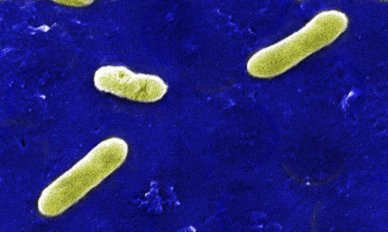
Kennel cough is a respiratory infection in dogs. Vets call it canine infectious respiratory disease complex. The short name is CIRDC. It is not one germ. It is a group of germs that attack the windpipe and voice box. The illness spreads fast where dogs gather. Kennels, daycares, and dog parks are the main hot spots.
What Causes Kennel Cough?
The best-known cause is a bacterium called Bordetella bronchiseptica. But Bordetella is not the only cause. Several viruses can cause it too. They include canine parainfluenza virus and canine adenovirus type 2. They also include canine influenza virus, canine respiratory coronavirus, canine herpesvirus, and canine distemper virus. The germs spread through the air when an infected dog coughs or sneezes. They also spread on shared bowls, toys, bedding, and hands.
Kennel Cough Symptoms: What to Look For
The cough is the sign that stands out. But it is not the only sign. Some dogs show only a cough. Others show a few more kennel cough symptoms. The table below lists each sign and what to do.
| Symptom | What It Looks Like | How Common | What to Do |
|---|---|---|---|
| Honking cough | A dry, forceful cough that sounds like a goose honk | Very common, in almost every case | Rest your dog and watch the cough |
| Gagging or retching | A gag at the end of a coughing fit, sometimes with white froth | Very common | Keep your dog calm and offer water |
| Sneezing | Short, sharp sneezes, often in bursts | Common | Watch for thick or colored discharge |
| Runny nose | Clear fluid from the nose | Common | Wipe the nose gently and watch the color |
| Eye discharge | Watery eyes or sticky discharge | Less common | Wipe the eyes with a clean damp cloth |
| Low fever | Warm ears and a dry nose, a temp over 102.5 degrees F | Less common | Call your vet the same day |
| Tiredness and low energy | Less play, more sleep, slow on walks | Less common | Let your dog rest and watch closely |
| Eating less | Skips meals or eats only a little | Less common | Offer plain food and call your vet if it lasts |
The Honking Cough
The honking cough is the classic sign. It is dry, loud, and forceful. It sounds like a goose honk. It gets worse with exercise or pressure on the neck.
Gagging or Retching
Many dogs gag or retch at the end of a coughing fit. Sometimes a little white froth comes up. If your dog cannot keep water down, call your vet.
Sneezing
Some dogs sneeze a lot with kennel cough. The sneezes are short, sharp, and come in bursts. Thick yellow or green fluid is a warning sign.
Runny Nose
A runny nose often comes with the cough. The fluid is usually clear and thin. Yellow or green mucus can mean a bacterial infection.
Eye Discharge
Some dogs get watery eyes with kennel cough. The eyes may look wet or a bit sticky. Wipe them with a clean damp cloth. Red or swollen eyes need a vet check.
Low Fever
A mild fever can show up in some dogs. A dog’s normal temperature runs from 100 to 102.5 degrees F. A temp over 102.5 degrees F counts as a fever. Call your vet the same day.
Tiredness and Low Energy
But some dogs get tired. They sleep more and move slowly. A dog that will not get up needs a vet now.
Eating Less
A dog with kennel cough may eat less than usual. The sore throat makes swallowing hurt. Offer plain, soft food. A dog that will not eat or drink needs a vet the same day.
Does My Dog Have Kennel Cough? (Symptom Checker)
Not sure if it is kennel cough? Answer these six quick questions. The tool looks at the most common kennel cough symptoms. This checker is not a diagnosis. Only a vet can diagnose your dog. If your dog has any warning sign, call your vet.
Does My Dog Have Kennel Cough?
Answer 6 quick questions. We will show a likely result and what to do next. Your answers stay on this page. Nothing is sent anywhere.
This checker is not a diagnosis. Only a vet can diagnose your dog. If your dog has trouble breathing, will not eat or drink, or is very tired, skip the checker and call your vet now.
Kennel Cough or Something Else?
Not every cough is kennel cough. Here is how to tell the main look-alikes apart.
A reverse sneeze sounds like choking or gagging. It is a fast, loud inhale through the nose. It is almost always harmless. A reverse sneeze comes from the nose. Kennel cough comes from the throat and chest.
Tracheal collapse also makes a honking sound. It is common in small and toy breeds. The windpipe weakens and flattens. Kennel cough starts fast, often days after your dog met other dogs.
Canine flu looks a lot like kennel cough at first. It brings a cough, a runny nose, and a fever. The flu often brings more fever and more tiredness.
Heart disease can also cause coughing. The cough is often worse at night or after rest. Heart disease is a long-term problem, not a sudden one.
Distemper is a serious virus. It starts with a cough, a runny nose, and a fever. It can then bring vomiting, diarrhea, and nerve signs. Distemper is rare in vaccinated dogs.
How Long Does Kennel Cough Last?
Signs show up 2 to 14 days after your dog meets the germs. Most mild cases clear up in 7 to 10 days. Most dogs are fully better in 1 to 3 weeks. A cough that lasts past 3 weeks needs a vet check. Your dog stays contagious while it coughs. It also stays contagious for about 2 weeks after the cough stops. Keep your dog away from other dogs for that whole time.
When to See a Vet
Some kennel cough symptoms mean you should call your vet the same day. Do not wait on these.
- Your dog breathes fast or with effort.
- Your dog has a fever over 102.5 degrees F.
- Your dog is very tired or will not get up.
- Your dog will not eat or drink.
- Your dog has thick yellow or green discharge from the nose.
- Your dog has a wet, moist cough instead of a dry one.
- The cough lasts more than 7 days or keeps getting worse.
- Your dog is a puppy, a senior, or has another health problem.
- Your dog is a flat-faced breed, like a Bulldog, a French Bulldog, or a Pug.
Call ahead first. Tell the clinic your dog may have kennel cough.
How Vets Diagnose Kennel Cough
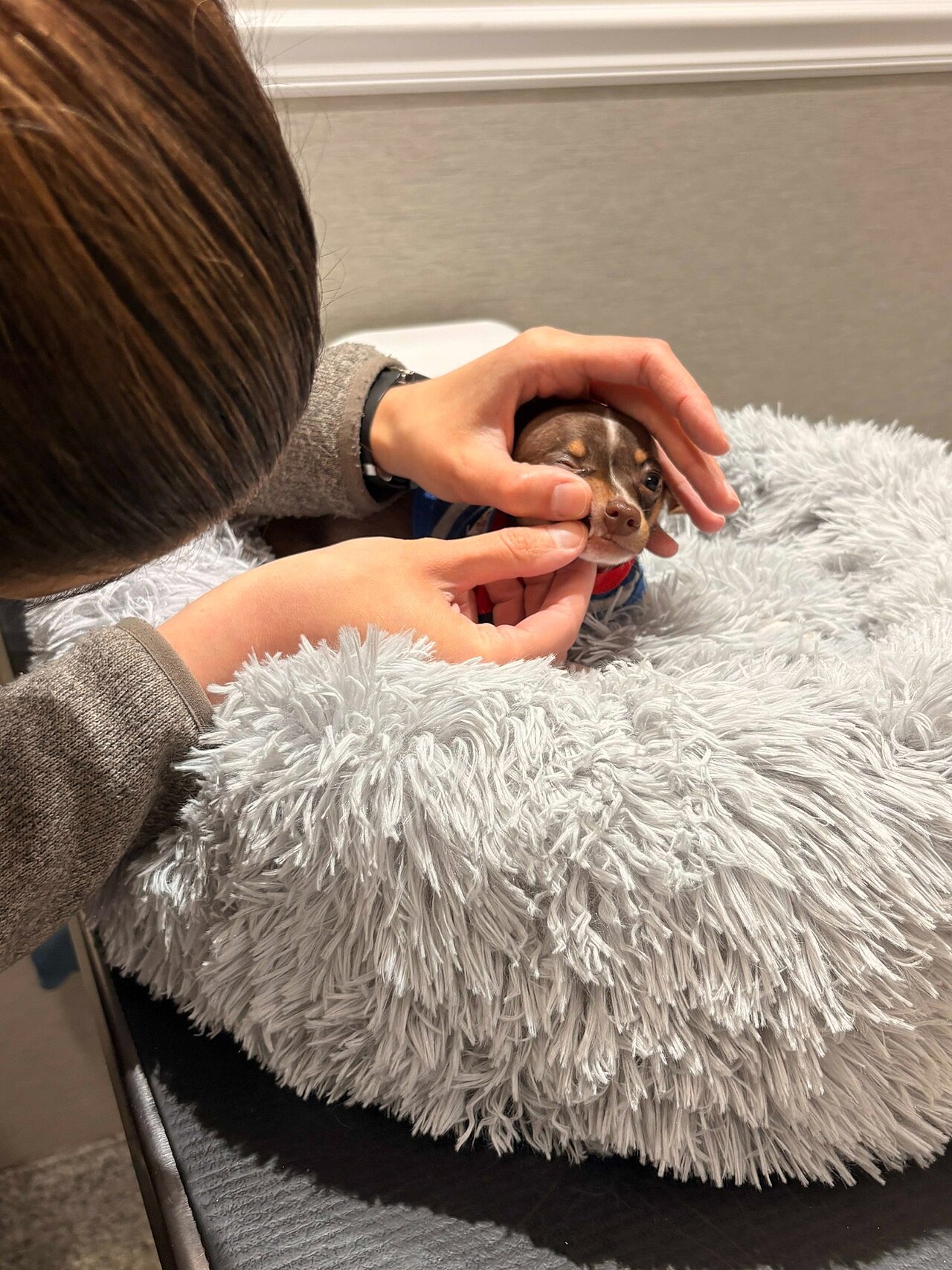
A vet usually diagnoses kennel cough from the signs and the history. The honking cough is the key clue. The vet will ask where your dog has been. The vet will listen to the chest with a stethoscope. Your dog does not always need tests. The vet may order tests for a severe case or a dog that is not getting better. Tests can include a swab, a culture, blood work, or chest X-rays.
Kennel Cough Treatment
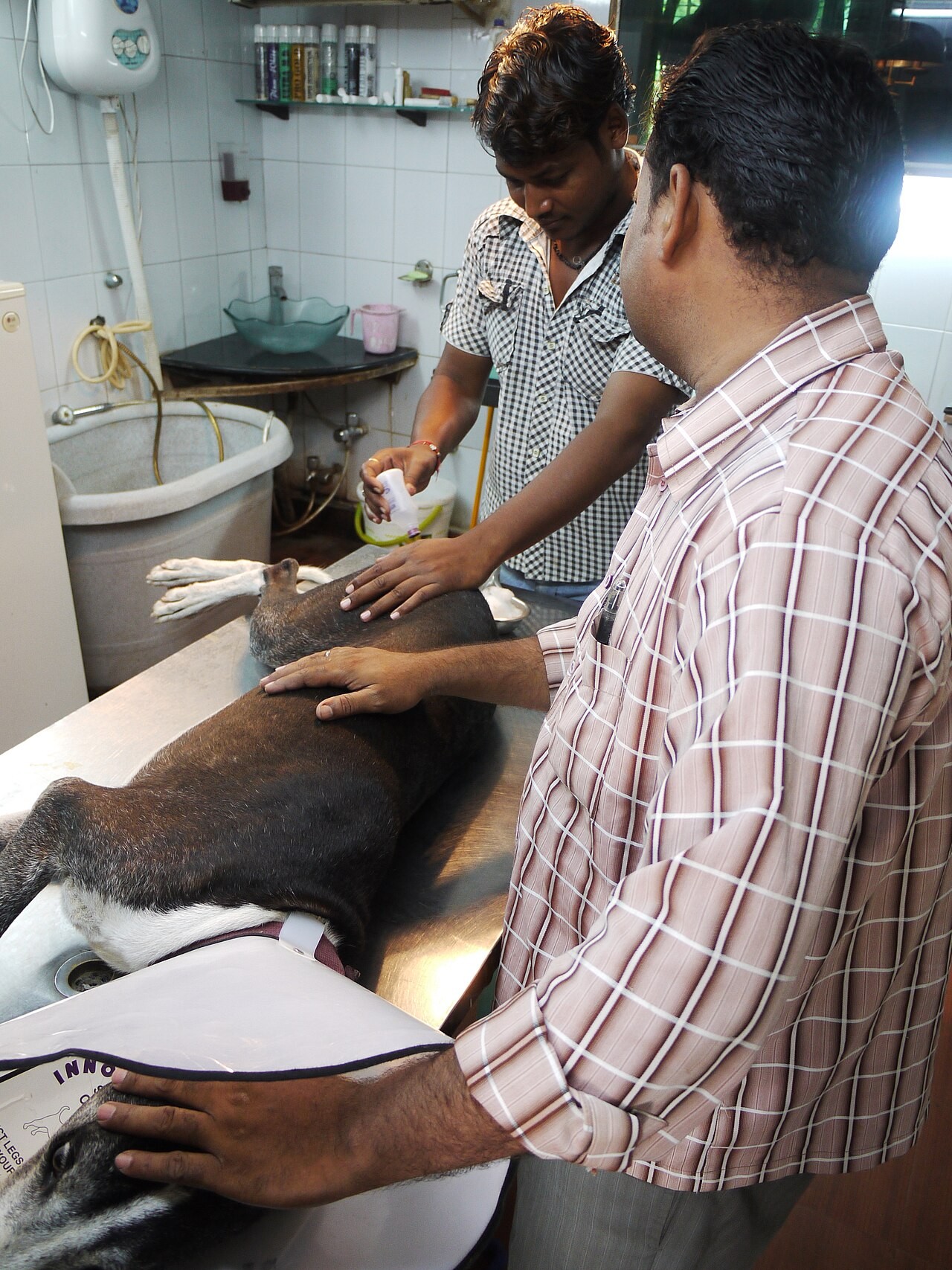
There is no single drug that cures kennel cough. Most dogs get better with rest and time. Antibiotics are not always needed. Many cases are viral, so antibiotics do not help them. The vet may prescribe doxycycline for 7 to 10 days. A cough suppressant can help a dry cough that keeps your dog from resting. Only use it on your vet’s advice. Severe cases may need hospital care. That is rare.
How to Care for Your Dog at Home
Home care is simple. Rest is the main treatment.
Rest and Quiet
Keep your dog calm and quiet. Limit walks to short, slow ones. Skip the park and skip play dates.
Use a Harness, Not a Collar
Pressure on the neck sets off coughing. A collar pulls right on the windpipe. Switch to a harness for walks.
Steam and Humid Air
Warm, moist air soothes a sore throat. Sit with your dog in the bathroom while you run a hot shower.
Food and Water
Make sure fresh water is always out. Offer soft, plain food. If your dog will not eat or drink at all, call your vet the same day.
Keep Your Dog Away From Other Dogs
Your dog can spread kennel cough to other dogs. Keep it home until it is fully better. Keep it away from other dogs for at least 2 weeks after the cough stops.
Clean Bowls, Toys, and Bedding
Clean your dog’s bowls, toys, and bedding often. Bleach mixed 1 part to 32 parts water kills Bordetella on hard surfaces. Rinse well after.
Never give your dog human cough medicine without your vet’s advice. Some human cough syrups have xylitol in them. Xylitol can be deadly.
How Much Does Kennel Cough Treatment Cost?
Ask your vet for a written estimate first. A routine vet visit for kennel cough costs $75 to $200 in most cases. A chest X-ray adds $200 to $450. Hospital care for pneumonia costs $500 to $2,000 or more. A Bordetella vaccine costs $20 to $50 per dose at most US vets. Low-cost clinics charge $15 to $25 per dose.
How to Prevent Kennel Cough
The Bordetella vaccine is the best shield. It is a must for dogs that board, go to daycare, visit groomers, or mix with many dogs. It comes as an injection, a nasal mist, or a liquid by mouth. The nasal and oral forms work in 48 to 72 hours. Puppies can start as early as 6 to 8 weeks old. Boosters are yearly, or every 6 months for high-risk dogs. The vaccine does not stop every case. Many germs cause kennel cough. But a vaccinated dog gets a milder case and heals faster.

Can Humans Catch Kennel Cough?
Almost never. The germs that cause kennel cough are made for dogs. Only Bordetella bronchiseptica is known to infect people. Even that is very rare. It has mostly shown up in people with very weak immune systems. A healthy adult has almost no risk.
What Are the First Signs of Kennel Cough?
The first sign is a sudden, dry, honking cough. It often comes with gagging at the end. The signs start 2 to 14 days after exposure. These early kennel cough symptoms are easy to spot once you know them.
What Does Kennel Cough Sound Like?
It sounds like a goose honk. It is a harsh, dry cough. Coughing fits often end in gagging or bringing up white froth. It is not the same as a reverse sneeze.
Will Kennel Cough Go Away on Its Own?
Yes, in most cases. A mild case in a healthy adult dog clears up in 7 to 10 days with rest. Most dogs are fully better in 1 to 3 weeks. A mild case needs no medicine.
How Long Is Kennel Cough Contagious?
Your dog is contagious while it coughs. It stays contagious for about 2 weeks after the cough stops. Keep it away from other dogs for that whole time. Ask your vet when it is safe to go back.
How Did My Dog Get Kennel Cough Without Seeing Other Dogs?
The germs spread through the air and on shared objects. Your dog can pick them up at a vet clinic, a groomer, or a park. A dog can catch it without ever meeting a sick dog face to face.
Can Vaccinated Dogs Still Get Kennel Cough?
Yes. The Bordetella vaccine lowers the risk and makes the illness milder. It does not stop every case. Many different germs cause kennel cough. The vaccine covers only Bordetella. A vaccinated dog can still catch it from a virus.
Can I Give My Dog Human Cough Medicine?
No, not without your vet’s advice. Some human cough syrups have xylitol in them. Xylitol is a sweetener. It can cause a dangerous drop in a dog’s blood sugar. It can be deadly. Only use medicine your vet prescribes.
Is Kennel Cough Dangerous?
It is usually mild in healthy adult dogs. Most dogs get better with rest. But it can be serious in puppies, older dogs, and dogs with other health problems. It can turn into pneumonia.
How Long Does Kennel Cough Last in Puppies?
Puppies take longer to heal. A mild case in a puppy can last 2 to 3 weeks. Puppies face a higher risk of pneumonia. A coughing puppy should see a vet. Do not wait and watch at home.
Do I Need to Disinfect My House if My Dog Has Kennel Cough?
Yes, clean the things your dog touches. Wash bowls, toys, and bedding in hot water. Wipe hard surfaces with bleach mixed 1 part to 32 parts water. Rinse well after. The germs can live on surfaces for weeks.
A honking cough is scary to hear. Most of the time, it is kennel cough, and most dogs get better with rest. Watch the kennel cough symptoms. Use the table to compare them. Try the checker to see where your dog stands. Rest your dog and call your vet if any warning sign shows up.
Related reading: American Bulldog Breed Guide: Size, Temperament, Health and Cost and Hypoallergenic Cats: 12 Best Breeds for Allergy Sufferers (With Prices).