Shepherd Dogs and Sheep Dogs: The Complete Breed Guide
A shepherd dog is a dog bred to work with sheep and other farm animals. People also call it a sheep dog. The two names mean the same thing. These dogs have worked beside shepherds for hundreds of years. Some move flocks from place to place. Others stay with the flock and guard it. This guide covers both kinds. It compares 14 breeds by size, energy, and best fit. It will help you pick the right one for your home.
Do not let the name fool you. Most of these dogs now live in homes, not on farms. They still carry the same drive to work. That drive makes them loyal and smart. The breed you pick matters a lot. A Border Collie and a Great Pyrenees could not be more different. One wants to run all day. The other wants to watch the yard in peace.
Key takeaways
- Sheep dog and shepherd dog mean the same thing.
- Herding dogs move flocks. Guardian dogs protect flocks.
- Most herding breeds need an hour or more of activity each day.
- Guardians are big, calm, and free thinkers. They suit farms more than flats.
- First-time owners do best with a Corgi, a Rough Collie, or an Icelandic Sheepdog.
What Do the Words Mean?
The words come from old farm work. A shepherd is a person who looks after sheep. A dog that helped that person took the same name. Over time, the name grew to cover all dogs bred for farm work with sheep, cattle, and goats. The American Kennel Club puts most of these breeds in its Herding Group. That group was formed in 1983. These dogs control the movement of other animals.
The old phrase sheep dog came from the same farm work. Writers once spelled it as two words. Today, most breed names join the words into one. You will see Sheepdog in Shetland Sheepdog and Old English Sheepdog. The meaning never changed. The dog works with sheep, or it guards them.
One point still trips people up. A herding dog and a guardian dog are not the same kind of worker. A herding dog moves animals. A guardian dog stays with them. Both lived with sheep for ages. Both still carry the same name. The rest of this guide keeps the two jobs apart. That split makes the choice much clearer.
The Two Jobs: Herding Dogs and Guardian Dogs
Every shepherd dog in this guide does one of two jobs. Herding dogs move and control animals. Guardian dogs protect them. The two jobs need very different natures. A herding dog must read the handler and react fast. A guardian dog must think alone and act on its own call. Mix the two up, and you may pick a dog that hates your home.
Herding Dogs
Herding dogs use eye, speed, and voice to move stock. A Border Collie crouches low and stares. A Corgi nips at heels and ducks low to dodge kicks. An Australian Cattle Dog pushes cattle with grit and nerve. These dogs bond close to their people. They watch every move you make. They learn fast, and they get bored fast too. A bored herding dog will herd kids, bikes, and the vacuum cleaner. Give them a job, and they shine.
Livestock Guardian Dogs
A guardian shepherd dog lives with the flock day and night. It sleeps near the sheep. It barks at strangers and stands its ground. It does not wait for orders. It was bred to judge danger on its own. These dogs are calm, big, and sure of themselves. They shed a lot, and they bark at night. They suit land and stock, not small flats.

Herding Dog Breeds: 11 to Know
The eleven breeds below do the moving job. They come from farms in Europe, the US, and Australia. They range from a 15 pound Sheltie to a 90 pound German Shepherd. All of them need work, play, and training.
German Shepherd
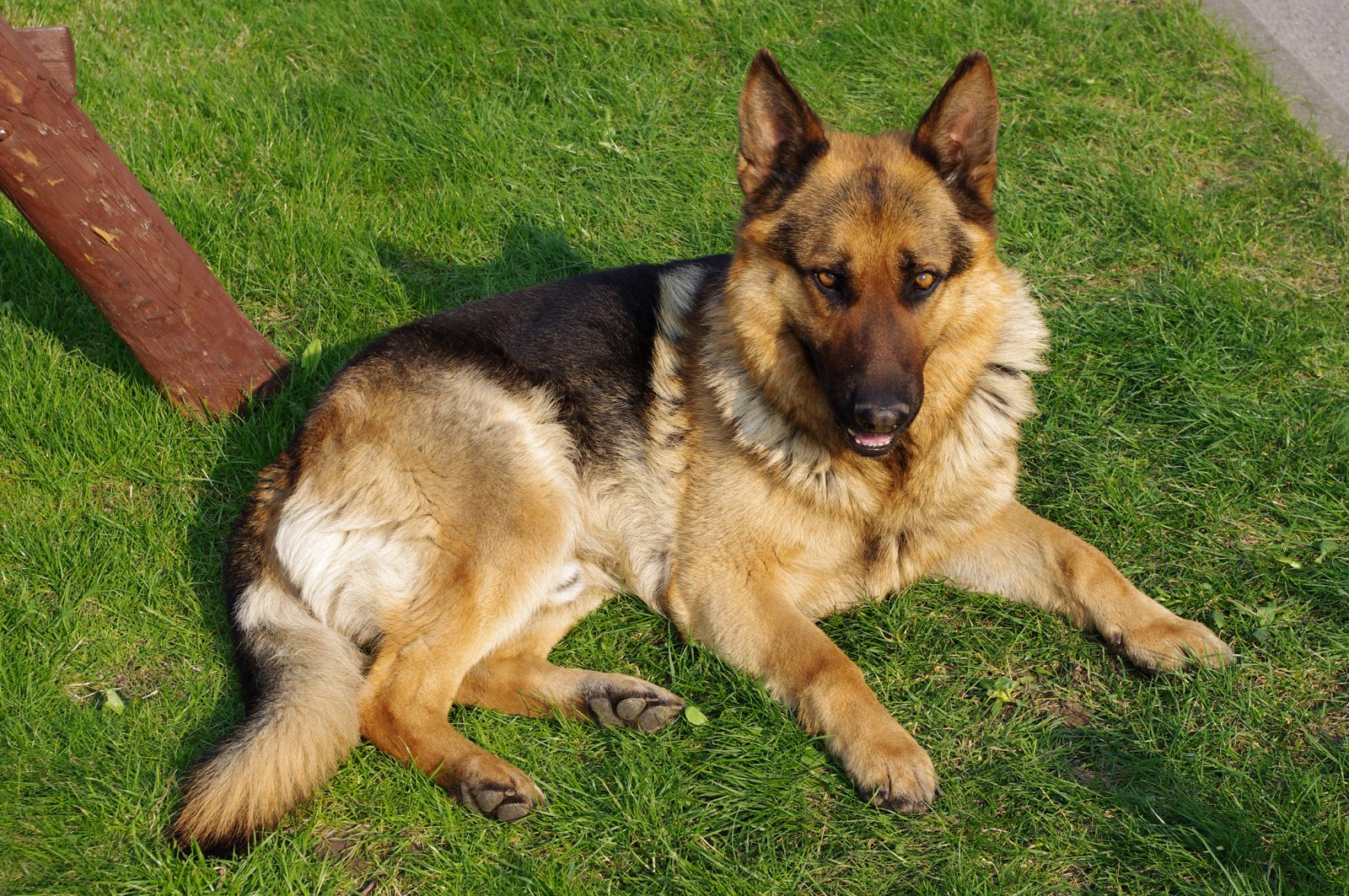
The German Shepherd is the most famous dog in this group. It comes from Germany, where it herded sheep in the 1800s. Today, it works in police, military, and service roles. Adults weigh 50 to 90 pounds. It is smart, loyal, and brave. It needs firm training and lots of work. It suits active owners with time to train.
Australian Shepherd
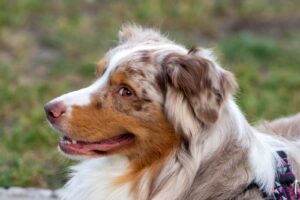
The Australian Shepherd is a US breed, despite the name. Ranchers in the American West made it a top farm dog. Adults weigh 40 to 65 pounds. It has a medium coat that sheds all year. It is bright, keen, and full of go. It loves dog sports like agility and flyball. It needs daily work and play.
Border Collie
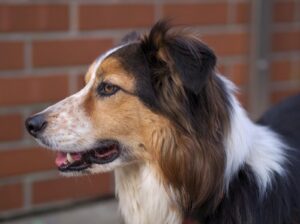
The Border Collie comes from the hills of Scotland and England. Many call it the smartest dog breed. Adults weigh 30 to 55 pounds. It lives to work. It needs long walks, play, and training each day. It is a poor pick for a first dog. It suits farm homes and sport homes best.
Belgian Malinois
The Belgian Malinois comes from Belgium. It is one of four Belgian herding breeds. Adults weigh 40 to 80 pounds. It is fast, brave, and very driven. Police and military teams use it round the world. It needs a skilled owner and a strict routine. It suits work homes only.
Shetland Sheepdog
The Shetland Sheepdog is a small lookalike of the Rough Collie. It comes from the Shetland Islands of Scotland. Adults weigh just 15 to 25 pounds. It is sweet, bright, and quick to learn. It barks a lot, and it sheds a lot too. It suits homes with a yard and time to train.
Rough Collie
The Rough Collie is the long-coated star of the film Lassie. It comes from Scotland. Adults weigh 50 to 75 pounds. It is gentle, calm, and great with kids. It sheds heavily twice a year. It is one of the best first picks in this group. It suits calm family homes.
Old English Sheepdog
The Old English Sheepdog comes from England. Its shaggy coat once kept it warm in cold barns. Adults weigh 60 to 100 pounds. It is funny, kind, and full of bounce. It needs lots of brushing or a short clip. It is good with kids and loves play. It suits big homes with time for coat care.
Australian Cattle Dog
The Australian Cattle Dog is also called the Blue Heeler. Ranchers in Australia bred it to move cattle over rough land. Adults weigh 35 to 50 pounds. It is tough, loyal, and very smart. It needs hard work each day. It suits active farm homes best.
Pembroke Welsh Corgi
The Pembroke Welsh Corgi comes from Wales. It is short, long, and low to the ground. Adults weigh 25 to 30 pounds. It herded cattle by nipping heels and ducking kicks. It is bold, smart, and full of cheer. It sheds a lot for a small dog. It is a fine first pick.
Icelandic Sheepdog
The Icelandic Sheepdog is the only dog breed from Iceland. Vikings brought its kin to the island long ago. Adults weigh 20 to 30 pounds. It is cheerful, loud, and full of life. It barks at birds, cars, and guests. It is a good first pick. It suits active homes with a yard.
Dutch Shepherd
The Dutch Shepherd comes from the Netherlands. Farmers once used it for herding, cart pulling, and guarding. Adults weigh about 45 to 70 pounds. It is smart, keen, and eager to please. It needs work, play, and training each day. It suits active owners who want a loyal work mate.
Livestock Guardian Dog Breeds: 3 to Know
Guardian breeds are the quiet giants of this guide. They do not herd. They live with stock and keep it safe. They think for themselves. They bark at night. They need land, a fence, and stock or a big yard. The three below are the best known in the US.
Great Pyrenees
The Great Pyrenees comes from the mountains of France and Spain. It guarded sheep from wolves and bears. Adults weigh 85 to 115 pounds. It is calm, kind, and patient with kids. It barks at night and sheds a lot. It suits farm homes and large rural homes.
Anatolian Shepherd
The Anatolian Shepherd comes from Turkey. It has guarded flocks there for thousands of years. Adults weigh 80 to 150 pounds. It is bold, free, and very sure of itself. It needs a skilled owner and a clear job. It suits large farms with real predator risk.
Maremma Sheepdog
The Maremma Sheepdog comes from Italy. It guarded sheep in the hills of Abruzzo. Adults weigh 65 to 100 pounds. It is calm, loyal, and close to its flock. It needs land and stock to guard. It suits farm homes with sheep or goats.
All 14 Breeds Side by Side
Use this table to compare the breeds at a glance. Size is adult weight. Energy is how much daily work the breed wants.
| Breed | Size | Energy | Best for | First dog? |
|---|---|---|---|---|
| German Shepherd | Large, 50 to 90 lbs | High | Active homes, work | No |
| Australian Shepherd | Medium, 40 to 65 lbs | Very high | Active families, sports | No |
| Border Collie | Medium, 30 to 55 lbs | Very high | Farms, agility | No |
| Belgian Malinois | Large, 40 to 80 lbs | Very high | Police, work homes | No |
| Shetland Sheepdog | Small, 15 to 25 lbs | High | Families with a yard | Yes, with time |
| Rough Collie | Large, 50 to 75 lbs | Medium | Calm family homes | Yes |
| Old English Sheepdog | Large, 60 to 100 lbs | Medium | Big family homes | Yes, with coat care |
| Australian Cattle Dog | Medium, 35 to 50 lbs | Very high | Farms, active owners | No |
| Pembroke Welsh Corgi | Small, 25 to 30 lbs | High | Families, first owners | Yes |
| Icelandic Sheepdog | Small, 20 to 30 lbs | High | Active homes with a yard | Yes |
| Dutch Shepherd | Large, 45 to 70 lbs | High | Active work homes | No |
| Great Pyrenees | Large, 85 to 115 lbs | Low | Farms, rural homes | No |
| Anatolian Shepherd | Giant, 80 to 150 lbs | Low | Large farms | No |
| Maremma Sheepdog | Large, 65 to 100 lbs | Low | Farms with sheep | No |
Which One Fits You?
The right shepherd dog for you depends on your home and your time. Start with your day, not the breed photo. How much time can you give? Do you have a yard? Do you have kids? The four cases below cover most homes.
Family with Kids
Pick a Rough Collie, a Corgi, or a Great Pyrenees. Rough Collies are calm and kind. Corgis are bold and fun. Great Pyrenees dogs are patient and slow to anger. Skip the Malinois and the Cattle Dog. Both can nip and need a firm hand. Teach kids to respect the dog.
Farm Work
Pick a Border Collie, an Australian Cattle Dog, or a guardian. Border Collies move sheep with ease. Cattle Dogs push tough stock with grit. A Great Pyrenees or a Maremma will guard the flock at night. Sheep need a soft mover. Cattle need a tough pusher.
Apartment Life
Most of these breeds hate flat life. A Shetland Sheepdog or a Corgi can cope with care. Both still need long walks and play each day. A big guardian will not cope at all. It needs land and room to roam. If you live in a flat, pick a small breed. Plan two long walks a day.
Your First Dog
Pick a Rough Collie, a Corgi, or an Icelandic Sheepdog. All three are kind and quick to learn. They forgive new owner slips. Skip the Border Collie and the Malinois. Both need skill and a strict routine. A first dog should teach you, not test you.
Daily Care: Exercise, Coat, and Training
Most herding breeds need 60 to 90 minutes of activity each day. Walks alone are not enough. Add play, training, and a task. Agility, nose games, and fetch all help. Guardians need less. A long walk and yard time will do. A tired dog is a calm dog.
Most of these breeds shed a lot. Double coats blow out twice a year. Brush once a week, and daily in coat-blowing season. Old English Sheepdogs need the most coat care. Their long hair mats fast. A short clip cuts the work.
Start training on day one. These dogs learn fast, good and bad. Use short, fun sessions with treats. Keep rules the same each day. Socialize pups with people, dogs, and new sights. A well-trained herding dog is a joy.
Are shepherd dogs good family dogs?
Yes, many are great with families. Rough Collies, Corgis, and Great Pyrenees dogs are calm and kind with kids. Pick a breed that fits your time and your space.
How much exercise does a shepherd dog need each day?
Most herding breeds need 60 to 90 minutes of activity each day. Guardians need less, but they still need a walk and yard time.
Do these dogs shed a lot?
Yes, most shed a lot. Double coats blow out twice a year. Brush once a week, and daily when the coat is blowing.
What is the best shepherd dog for a first-time owner?
A Rough Collie is the safest first pick. A Pembroke Welsh Corgi or an Icelandic Sheepdog also works well. All three are kind, smart, and quick to learn.
Can these dogs live in an apartment?
A small breed can cope with care. A Shetland Sheepdog or a Corgi needs two long walks a day. Big guardians and high-drive herders will not cope at all.
What is the difference between a sheep dog and a herding dog?
A sheep dog is the broad name for all these breeds. A herding dog is one of the two kinds. It moves stock. A guardian dog is the other kind. It protects stock.
Are Border Collies the smartest dogs?
Many trainers rank them at the top for work smarts. They learn new cues in a few tries. That brain needs work, or it will make its own trouble.
Do guardian dogs make good pets?
They can, on land with a big yard. They are calm and loyal with their own family. They bark at night, roam, and need a strong fence.
How long do these dogs live?
Most live 10 to 15 years. Small breeds often live a bit longer than giant ones.
Should I get a puppy or an adult dog?
A puppy lets you shape training from the start. An adult from a rescue may suit a first owner better. Ask the rescue about the dog’s past and needs.
These dogs were made to work, and they still want a job. Give them time, training, and a task. They will pay you back with loyalty for years.
Related reading: Best Dog Breeds for Families.